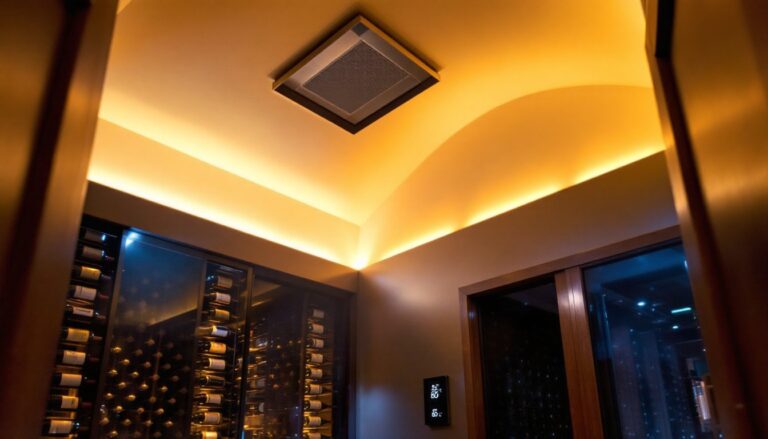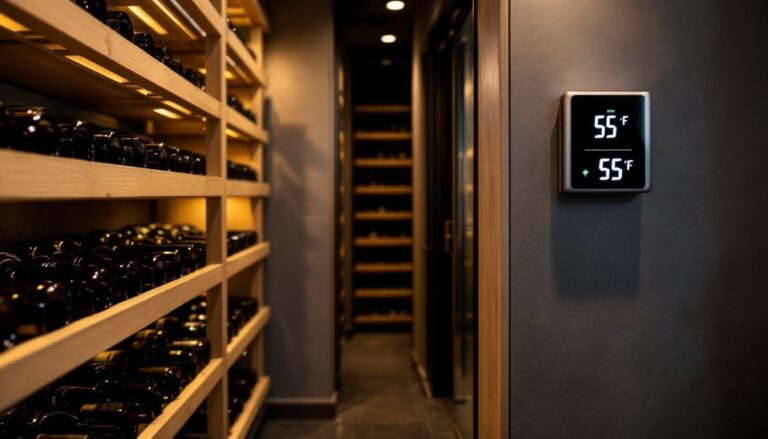
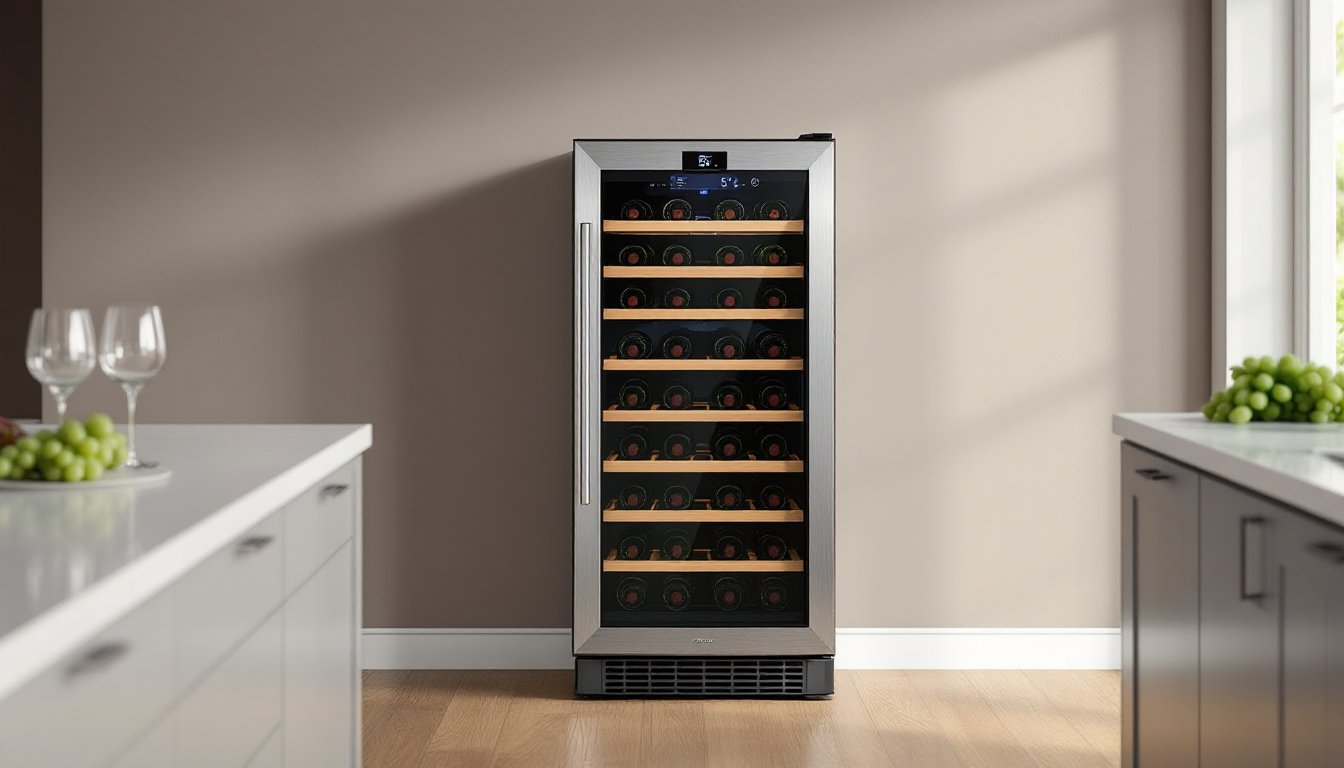

A standard kitchen fridge is a poor home for wine. Temperature swings, vibrations from the compressor, and dry air can degrade bottles in months, turning that $40 Pinot into something closer to cooking vinegar. A wine refrigerator (also called a wine cooler or wine fridge) solves those problems by maintaining steady temps, controlled humidity, and gentle cooling cycles. Whether someone’s storing six bottles of everyday reds or building a 50-bottle collection of Burgundy, the right wine fridge protects the investment and ensures each pour tastes the way the winemaker intended. This guide walks through what makes wine refrigerators different, the types available, essential features, and how to set one up for long-term storage.
Key Takeaways
- A wine refrigerator maintains stable temperatures between 45–65°F and 50–70% humidity, protecting bottles from oxidation and cork degradation that standard kitchen fridges cause through temperature fluctuations and dry air.
- Choose between single-zone units for consistent storage of one wine type and dual-zone wine refrigerators that allow separate cooling for reds (60–65°F) and whites (45–50°F) depending on your drinking habits.
- Essential features include UV-protected glass doors, wood shelving, accurate digital thermostats (±2°F), and proper ventilation clearance of 2–3 inches to prevent compressor overwork and energy waste.
- Location matters significantly: place your wine refrigerator in climate-controlled spaces away from direct sunlight, heat sources, and level surfaces to prevent vibration damage to aging wine and door seal issues.
- Thermoelectric models offer quiet operation (35–40 dB) ideal for living spaces but struggle in hot environments, while compressor-based systems provide better performance in warm climates at the cost of slightly higher noise levels.
What Is a Wine Refrigerator and Why Do You Need One?
A wine refrigerator is a climate-controlled appliance designed specifically to store wine at stable temperatures between 45°F and 65°F, depending on the varietal. Unlike standard refrigerators that cycle between 35°F and 38°F and pull moisture from the air, wine fridges operate in a higher range and maintain 50–70% relative humidity to keep corks from drying out.
Most wine refrigerators use thermoelectric cooling or compressor-based systems. Thermoelectric units are quieter and vibration-free, making them ideal for smaller collections or living spaces, but they struggle in hot garages or uninsulated rooms. Compressor models work like traditional fridges, more powerful, better for larger capacities or warm environments, but they introduce slight vibrations that can disturb sediment in aged wines.
Why not just use a regular fridge? Temperature fluctuations. A kitchen fridge opens dozens of times a day, letting warm air in and forcing the compressor to work overtime. Wine needs consistency. Even a 5-degree swing can accelerate oxidation and spoil delicate flavors. Vibration is another factor, constant humming and cycling can agitate wine over time. A dedicated wine fridge eliminates both issues, plus it frees up space in the main fridge and keeps bottles horizontal so corks stay moist.
Types of Wine Refrigerators: Finding Your Perfect Match
Wine refrigerators come in several form factors, each suited to different spaces and bottle counts.
Freestanding units are the most common. They stand alone, vent from the front or back, and range from compact 12-bottle countertop models to tower-style 150+ bottle cellars. They’re easy to install, just plug in and level, but they need clearance for airflow, typically 2–3 inches on sides and back.
Built-in (undercounter) wine refrigerators are designed to slot into cabinetry with front ventilation, making them safe to enclose on three sides. Standard widths are 15 inches or 24 inches, matching base cabinet dimensions. These units often cost more due to finished sides and integrated handles, but they blend seamlessly into a kitchen or bar.
Dual-zone wine refrigerators split the interior into two independently controlled compartments. This is crucial for collectors who store both reds and whites, since reds serve best around 60–65°F and whites at 45–50°F. Single-zone models work fine if someone drinks one type predominantly or plans to bring bottles to serving temp outside the fridge.
Countertop wine coolers hold 6–18 bottles and fit under cabinets or on a bar cart. They’re a good entry point but often lack humidity control and precise thermostats.
Wine cellars (large-format fridges or walk-in units) suit serious collectors with 200+ bottles. These may require dedicated electrical circuits and professional installation.
Single-Zone vs. Dual-Zone Wine Refrigerators
Choosing between single-zone and dual-zone comes down to variety and drinking habits. A single-zone unit maintains one temperature throughout, ideal for long-term aging of a single varietal or for collectors who store all reds or all whites. It’s simpler, often more affordable, and uses less energy.
Dual-zone refrigerators offer flexibility. The upper zone might hold whites at 48°F while the lower maintains reds at 62°F. This is practical for households that serve both regularly. Some dual-zone models also let users age wine in the lower zone and chill ready-to-drink bottles in the upper.
One downside: dual-zone units can have less total capacity than equivalent single-zone models due to the divider and dual cooling systems. They also cost 20–40% more. For someone just starting out or storing fewer than 20 bottles, a single-zone fridge is usually enough.
Key Features to Consider When Buying a Wine Refrigerator
Capacity is listed in bottle count, but those numbers assume standard 750 mL Bordeaux bottles. Wider Pinot or Champagne bottles reduce actual capacity by 10–20%. Always size up if the collection includes mixed formats.
Temperature range and accuracy matter. Look for units with digital thermostats and a range of at least 45–65°F. Cheaper models may swing ±5°F from the set point: better units hold within ±2°F.
UV-protected glass is essential. Ultraviolet light degrades wine, especially whites and sparkling varieties. Most wine fridges use tinted or double-paned glass doors. If the unit has interior LED lighting, it should be low-UV.
Shelving should be pull-out and made of wood or coated metal. Beechwood racks cradle bottles gently and reduce vibration. Adjustable or removable shelves accommodate larger formats. Avoid thin wire racks, they can leave pressure marks on labels and don’t distribute weight well.
Noise level is measured in decibels (dB). Thermoelectric models run around 35–40 dB (whisper-quiet), while compressor units average 40–50 dB (similar to a refrigerator hum). For living spaces or open kitchens, quieter is better.
Energy efficiency varies. Look for Energy Star certification if available. Thermoelectric units typically draw less power but work harder in hot rooms. Compressor models use more energy upfront but maintain temps more efficiently in variable climates.
Lock and security can be important for valuable collections or homes with kids. A keyed or digital lock prevents accidental temperature changes or unauthorized access.
Humidity control isn’t always included in budget models. For long-term aging (5+ years), maintain 60–70% humidity to prevent cork shrinkage. Some units have built-in humidity trays: others require manual monitoring with a hygrometer.
Optimal Temperature and Humidity Settings for Wine Storage
The ideal storage temperature for most wine is 55°F, cool enough to slow aging, warm enough to avoid freezing or shocking the wine. That said, different varietals have nuances.
Red wines develop best between 55–65°F. Lighter reds like Pinot Noir can go closer to 60°F, while full-bodied Cabernet or Syrah can tolerate up to 65°F for short-term storage. Serving temp for reds is typically 60–65°F, so a single-zone fridge set at 62°F works for both storage and service.
White wines and rosés prefer 45–55°F. Crisp whites like Sauvignon Blanc shine at the cooler end (45–50°F), while richer Chardonnays can handle 50–55°F. Sparkling wines and Champagne should stay around 45–50°F to preserve carbonation.
Humidity is just as critical as temperature. Aim for 50–70% relative humidity. Too low, and corks dry out, letting oxygen seep in. Too high (above 80%), and labels may peel or mold can form. Most wine refrigerators maintain adequate humidity passively, but in dry climates or heated homes during winter, a small humidity tray with distilled water can help.
Avoid rapid temperature changes. Even a well-built wine fridge should stay in a room where ambient temps don’t swing more than 10–15°F seasonally. Basements, interior closets, and climate-controlled garages work well. Unheated sheds or garages in Phoenix? Not so much.
Vibration also affects aging. Compressor-based fridges have dampening systems, but placing the unit on a level, solid surface, not on top of a washing machine or near a subwoofer, reduces micro-vibrations that can disturb sediment.
Where to Place Your Wine Refrigerator for Best Performance
Location affects both performance and longevity. Freestanding wine refrigerators need clearance for ventilation, 2–3 inches on the back and sides. Blocking vents forces the compressor or cooling fans to overwork, shortening lifespan and raising energy bills. Read the manual: some models vent from the front and can sit closer to walls.
Built-in units are engineered for enclosed spaces with front venting, but they still need an unobstructed kickplate or grille. Don’t block it with baseboards or trim.
Avoid direct sunlight and heat sources. Placing a wine fridge next to an oven, dishwasher, or south-facing window makes the cooling system work harder. Interior walls away from appliances are ideal.
Floor level and stability matter. Use a bubble level to ensure the unit sits flat. An unlevel fridge can cause doors to swing open, poor door seals, or uneven cooling. Most units have adjustable leveling feet, turn them until the bubble centers.
Basements are excellent if they’re dry and climate-controlled. Damp basements with standing water or high humidity (above 80%) can cause mold and electrical issues. If the basement floods occasionally, raise the unit on a platform or waterproof base.
Garages work only if insulated and temperature-stable. Thermoelectric wine fridges struggle when ambient temps exceed 80°F. Compressor models handle heat better but still suffer efficiency losses. In cold climates, don’t let garage temps drop below 50°F for extended periods, wine can freeze and crack bottles.
Electrical requirements: Most wine refrigerators run on standard 120V household outlets. Larger units (100+ bottles) may draw significant current: avoid daisy-chaining power strips. Use a dedicated outlet if possible, and check the circuit breaker rating if adding multiple appliances to the same line.
If the fridge will go in a finished living space, consider noise. Thermoelectric units are near-silent: compressor models hum. Placing the unit in a pantry, bar nook, or dining area instead of the main living room reduces audible distraction.
Conclusion
Choosing a wine refrigerator comes down to capacity, cooling type, and where it’ll live. Match bottle count to actual need, not aspirational collecting, and size up if storing wide-format bottles. Dual-zone models offer flexibility, but single-zone units are simpler and often more reliable for dedicated red or white storage. Prioritize steady temps, UV-protected glass, and proper ventilation, and the wine fridge will protect that collection for years without fuss.