
Moving a wine collection isn’t like packing up books or kitchen gadgets. Temperature swings, vibration, and improper handling can turn a prized vintage into expensive vinegar. Whether relocating a temperature-controlled cellar or transporting a modest collection of investment-grade bottles, the stakes are high, both financially and sentimentally. Professional wine cellar movers specialize in protecting bottles from the environmental hazards and physical stress that standard moving companies aren’t equipped to handle. This guide covers what these specialists do, how to vet them, and how to prepare a collection for safe transport.
Key Takeaways
- Professional wine cellar movers protect high-value collections from temperature fluctuations, vibration, and mishandling that standard moving companies cannot address, preserving both the investment and taste of rare bottles.
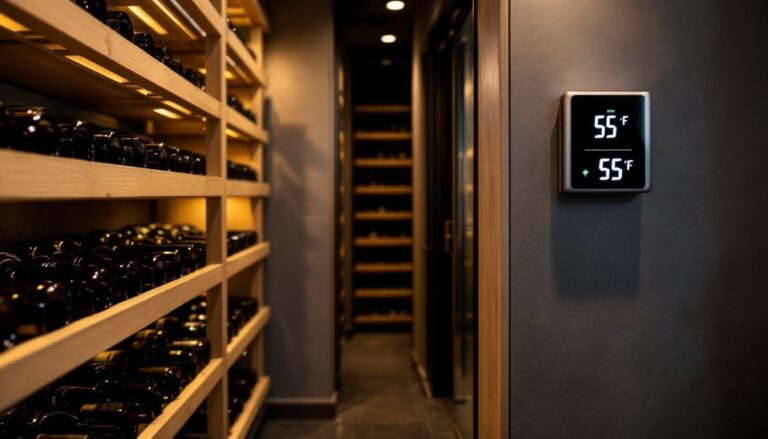
- Climate-controlled transportation maintaining 55–58°F with humidity control is essential for wine safety, preventing premature aging, off-flavors, and cork damage during transport.
- When selecting wine cellar movers, verify they hold specialized insurance covering replacement value (not just weight), own climate-controlled vehicles, and can provide references from previous wine collection relocations.
- Proper preparation includes creating a detailed inventory with photographs, organizing bottles by section, and allowing sediment to settle before packing to minimize physical stress on aged wines.
- After delivery, allow wines to rest for at least two weeks (or a month for delicate vintages) before opening, as temperature changes and vibration during transit require recovery time for flavor restoration.
Why You Need Professional Wine Cellar Movers
A standard moving crew won’t understand the difference between handling a case of grocery-store wine and a climate-sensitive collection worth thousands. Temperature is the primary concern. Wine stored above 65°F for extended periods can age prematurely or develop off flavors. Bottles left in a hot truck on a summer afternoon face real damage.
Vibration is the second risk. Constant jostling during transport can disturb sediment in aged reds and disrupt the slow chemical processes that define fine wine. Professional wine movers use air-ride suspension trucks and padded crates designed to minimize movement.
Orientation matters, too. Bottles stored on their sides to keep corks moist shouldn’t suddenly spend hours upright in a cardboard box. Sparkling wines under pressure require extra care to avoid agitation. And fragile older bottles with weakened corks or labels demand individual attention that a generalist crew won’t provide.
Insurance is another factor. Standard moving policies typically cap coverage at a few dollars per pound, nowhere near the replacement cost of rare or collectible bottles. Specialized wine movers carry high-value cargo insurance and understand how to document and protect collections that may include bottles worth hundreds or thousands each.
Finally, there’s the sheer weight and awkwardness. A single case of wine (12 bottles) weighs around 40 pounds. A modest cellar of 500 bottles means over 1,600 pounds of fragile glass that needs to be packed, carried, and stacked without mishap. Professionals bring the right equipment, hand trucks, ramps, and custom containers, to move that volume safely.
What Wine Cellar Moving Services Include
Reputable wine movers offer end-to-end service tailored to the collection’s size and value. Most packages include an initial consultation to assess bottle count, storage conditions, and any special-handling items like magnums or half-bottles.
Climate-Controlled Transportation
Temperature-controlled trucks maintain a stable environment throughout the move, typically between 55°F and 58°F, the ideal range for wine storage. These vehicles use refrigeration units with humidity control to prevent corks from drying out during longer hauls.
For cross-country moves or summer relocations, this feature is non-negotiable. Even a short drive in an unrefrigerated truck can expose bottles to temps above 80°F if the vehicle sits in traffic or makes multiple stops. Climate control also protects against sudden cold snaps in winter, which can freeze bottles and push corks out.
Some movers offer GPS tracking and real-time temperature monitoring, allowing owners to verify conditions remotely. This is especially valuable for high-value collections or interstate moves where the truck may be on the road for days.
Specialized Packing and Handling
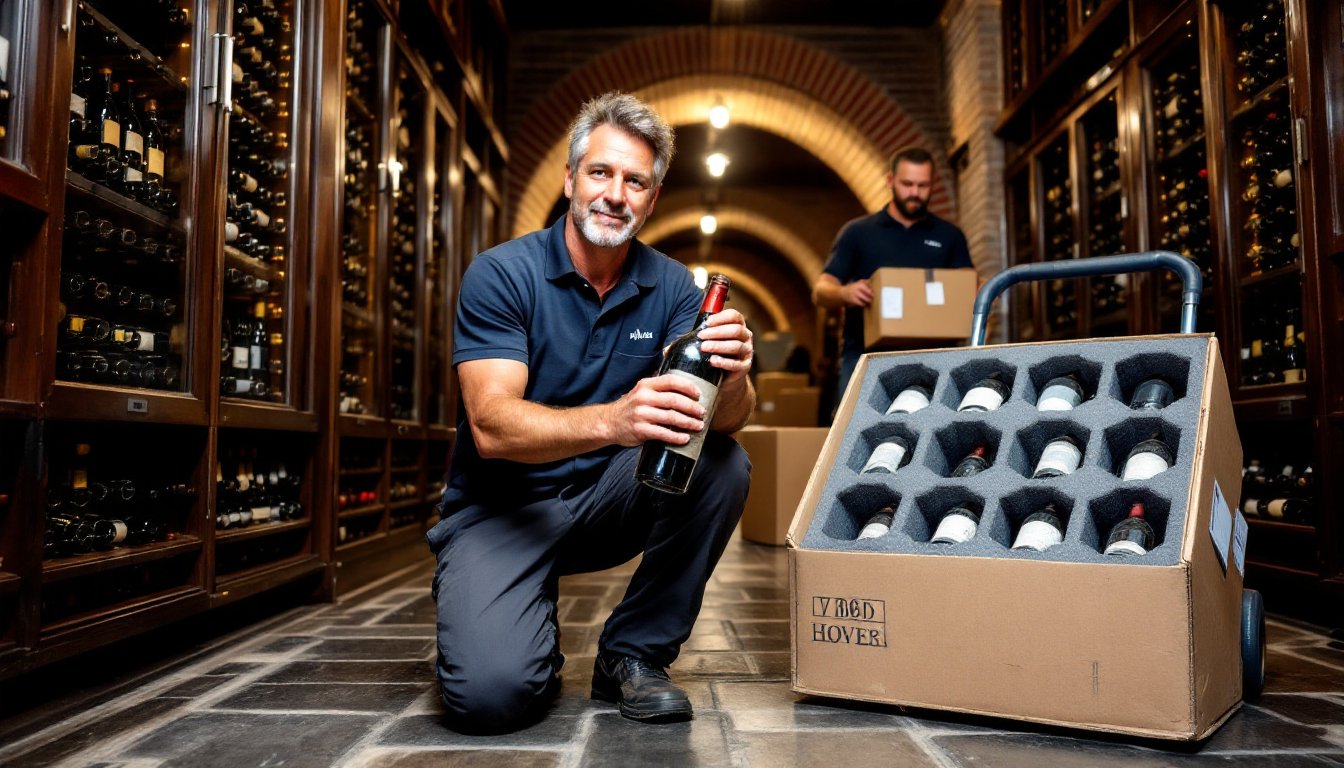
Wine movers use materials designed specifically for bottle transport. Divided cardboard boxes with individual cells prevent glass-on-glass contact. Foam inserts cushion each bottle and help maintain temperature stability. For premium collections, reusable plastic crates with interlocking dividers offer better protection and can be stacked without crushing.
Crew members trained in wine handling know how to lift bottles by the base, not the neck, and how to position cases to avoid pressure on corks. They’ll often inventory the collection, photographing labels and recording cellar locations so bottles can be placed in the same configuration at the destination.
Fragile or irreplaceable bottles may receive custom packaging, wooden crates with straw or foam, individual wrapping, or temperature-logging devices taped to the box. Older vintages with delicate labels sometimes get archival sleeves to prevent tearing during the move.
How to Choose the Right Wine Collection Moving Company
Start by confirming the company has experience with wine-specific moves, not just “we can do it” assurances from a general mover. Ask how many wine cellars they’ve relocated in the past year and whether they own climate-controlled vehicles or subcontract them. Subcontracting isn’t inherently bad, but it adds variables.
Request proof of insurance that covers the replacement value of the collection, not just weight-based liability. A policy should explicitly include wine and list coverage limits. Some movers require a professional appraisal for collections valued over a certain threshold, often $50,000, before they’ll quote.
Check references. A company that regularly handles wine can provide contacts from vineyards, restaurants, or private collectors. Online reviews help, but direct referrals from clients with similar-sized collections carry more weight.
Ask about their packing materials and process. Do they use new or recycled boxes? How do they secure bottles during loading? Can they accommodate odd-sized formats like 3-liter bottles or split sizes? The answers reveal how much they’ve thought through the logistics.
Get a detailed written estimate that itemizes packing materials, labor, transportation, and insurance. Beware of quotes that seem low, they may not include climate control or adequate coverage. Factor in timing, too. Wine moves scheduled during moderate weather (spring or fall) are less risky and sometimes cheaper than peak summer or winter dates.
If the move crosses state lines, verify the company holds a USDOT number and complies with interstate moving regulations. For international moves, ask about customs documentation and whether they work with wine-freight specialists who understand import restrictions.
Preparing Your Wine Cellar for the Move
Preparation starts weeks before moving day. First, inventory the collection. Create a spreadsheet or use a wine-management app to record each bottle’s producer, vintage, format, and current storage location. Photograph labels, especially for rare bottles, to document condition before the move.
Stop buying wine at least a month out. A move is a good time to drink down or donate bottles that no longer fit the collection. Fewer bottles mean lower costs and less risk.
If bottles have been lying on their sides in a cellar, leave them undisturbed until packing day. Sediment in older wines needs time to settle. If possible, stand bottles upright 24–48 hours before the move to let sediment drop to the bottom, but only if the movers approve this step, some prefer to keep orientation consistent.
Organize the cellar by section or bin so movers can pack systematically. Label shelves or racks to show where each group of bottles should go at the destination. This speeds unpacking and reduces the chance of misplacing a bottle.
Communicate any special-handling items: oversized formats, bottles with damaged corks, or anything stored separately (like spirits or fortified wines that don’t require the same temperature care). Flag these for the crew so they can allocate extra padding.
Confirm the destination space is ready. If it’s a newly built or renovated cellar, ensure the cooling system is running and holding the target temperature before bottles arrive. Wine shouldn’t sit in a warm room while installers finish work.
Wear safety gloves if helping with packing. Broken glass is the most common injury during wine moves, and even small cuts can get infected if they happen in a dusty cellar.
What to Expect During the Wine Moving Process
On moving day, the crew will typically arrive with packing supplies and begin by walking through the cellar to confirm the scope of work. They’ll verify the inventory count and note any changes since the initial estimate.
Packing proceeds one section at a time. Crew members lift bottles carefully, place them in divided boxes or crates, and seal containers without over-tightening lids (which can cause pressure issues). Each box gets labeled with its contents and destination room or rack number.
Loading uses a planned sequence. Heavier cases go on the bottom, lighter ones on top. Boxes are stacked to prevent shifting, and movers often use load bars or netting to secure the cargo inside the truck. Climate control activates before loading begins, so the environment stabilizes.
Transit times vary. Local moves might complete in a few hours: cross-country hauls can take several days. During long trips, the truck may stop overnight in secure, climate-controlled facilities. Owners should confirm these logistics upfront.
At the destination, unloading follows the reverse process. Movers place boxes in the designated cellar or storage area, and many will unpack bottles directly onto racks if that’s part of the service agreement. The crew should inspect for broken bottles or damaged labels and document anything that occurred in transit.
After unloading, let the wine rest. Temperature changes during the move, even small ones, can temporarily affect flavor. Most experts recommend waiting at least two weeks before opening bottles, and some suggest a month for older or delicate vintages. This settling period allows the wine to recover from vibration and thermal stress.
Keep all documentation: the inventory list, photos, moving contract, and insurance certificate. If a claim becomes necessary, having detailed records makes the process smoother.