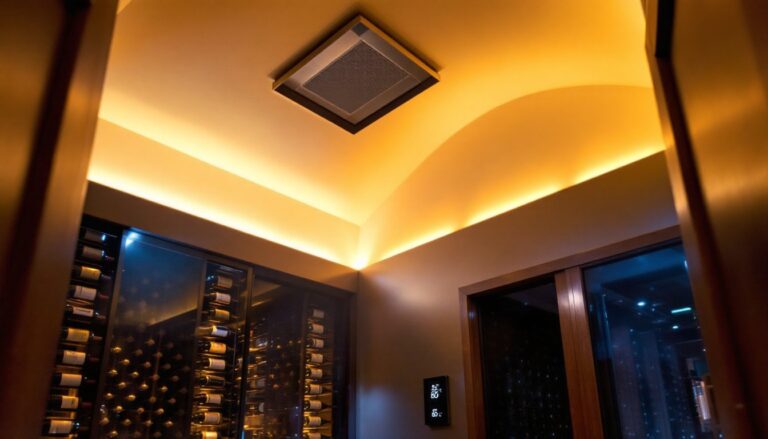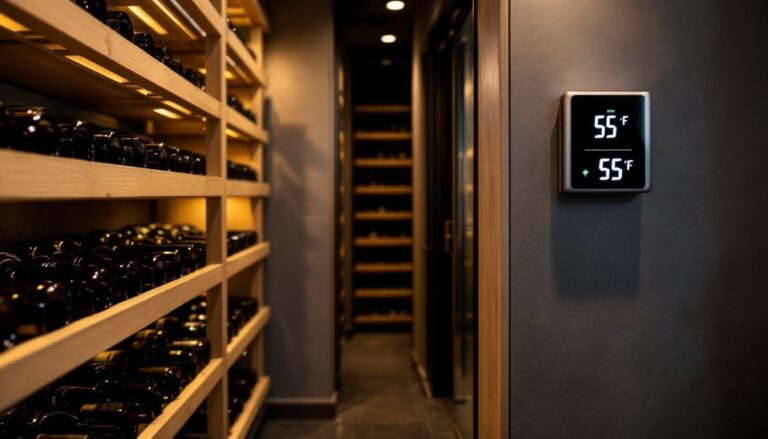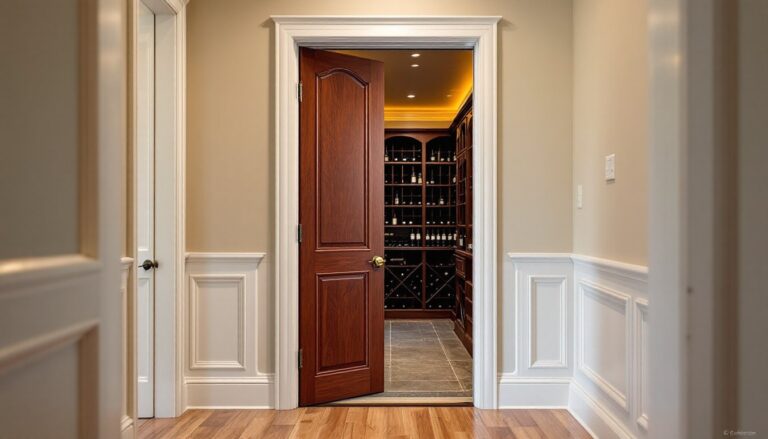
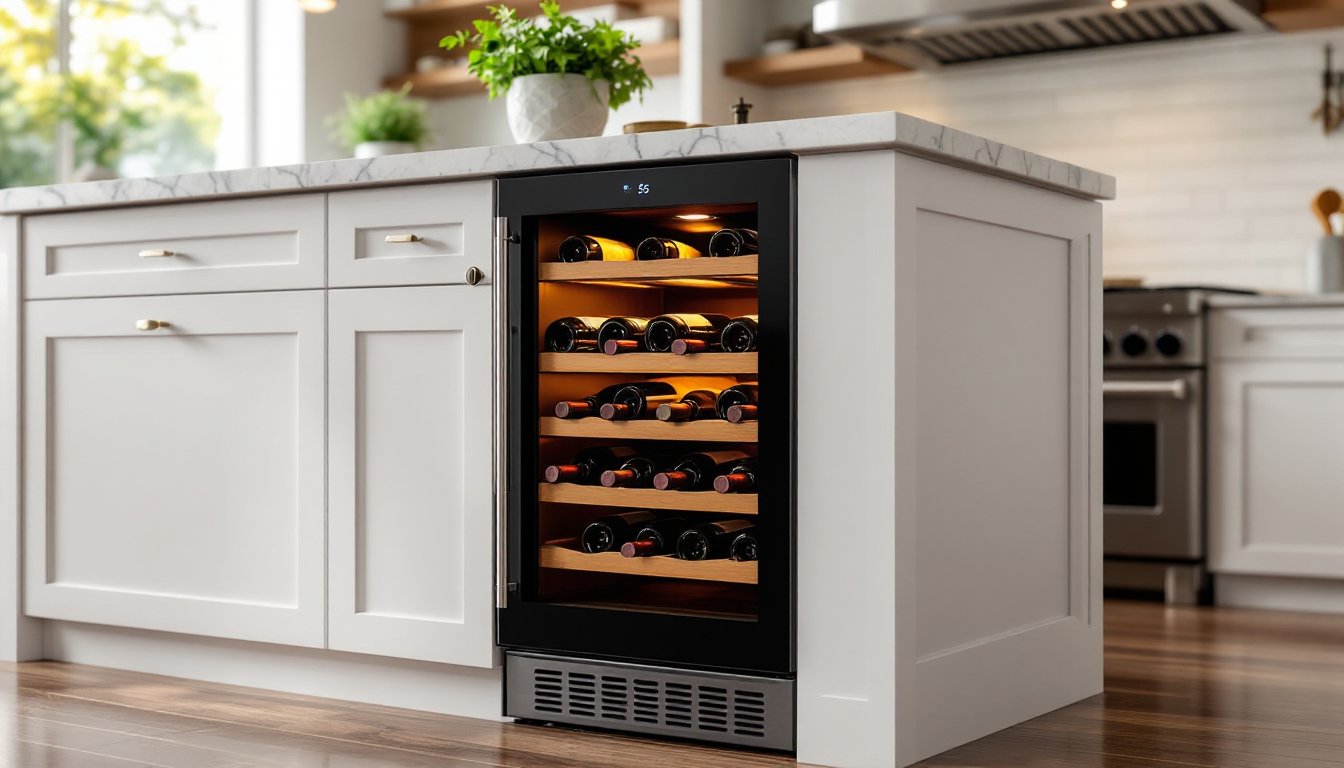

Wine collectors and home entertainers no longer need to dedicate an entire basement to proper wine storage. A wine refrigerator cabinet combines dedicated climate control with integrated cabinetry, letting homeowners preserve bottles at optimal temperatures without sacrificing kitchen or dining room aesthetics. Unlike standard refrigerators that run too cold and dry, these specialized units maintain the humidity and temperature ranges wine actually needs, typically 45°F to 65°F depending on varietal. This guide walks through the types, features, and sizing considerations that help buyers match a wine fridge cabinet to their space, collection size, and budget.
Key Takeaways
- A wine refrigerator cabinet maintains optimal storage temperatures between 50°F and 58°F while preserving humidity and UV protection—conditions standard kitchen fridges cannot provide.
- Built-in wine refrigerator cabinet models offer zero-clearance installation and seamless kitchen integration, while freestanding units provide flexibility and easier relocation without the same aesthetic polish.
- Dual-zone temperature control lets you store whites at 45°F–50°F and reds at 60°F–65°F simultaneously, but costs 25% to 40% more than single-zone alternatives.
- Compressor-based cooling systems handle larger collections and temperature fluctuations better, while thermoelectric models run silently and efficiently in air-conditioned spaces but are limited to 20–30 bottles.
- Proper sizing prevents overstuffing that blocks airflow and causes temperature inconsistency; casual drinkers need 15–20 bottles, entertainers 30–50, and serious collectors benefit from multiple units or full-height cabinets.
- Front ventilation clearance and moisture management through drip trays are critical installation details that protect your investment and prevent warranty voidance.
What Is a Wine Refrigerator Cabinet?
A wine refrigerator cabinet is a self-contained appliance that pairs a temperature-controlled wine cooler with cabinetry designed for seamless integration into kitchens, dining rooms, or home bars. The refrigeration unit uses thermoelectric or compressor-based cooling to maintain consistent temps, while the cabinet component provides the trim, paneling, or finish that matches surrounding millwork.
Unlike a standalone wine fridge sitting on a counter, a cabinet model typically includes:
- Finished side panels or face frames that align with existing cabinetry
- Toe kicks and trim molding for a built-in appearance
- Ventilation clearances built into the design (front-venting models allow zero-clearance installation)
- Mounting rails or flanges for securing the unit to adjacent cabinets or walls
Some units arrive as complete furniture pieces, wood cabinet with a cooler insert. Others are appliance-grade refrigerators with trim kits sold separately, letting DIYers or cabinet shops customize the surround to match kitchen finishes. Buyers installing these should confirm electrical requirements upfront: most plug into standard 120V outlets, but larger compressor models may need dedicated 15A or 20A circuits per NEC guidelines.
Key Benefits of Owning a Wine Refrigerator Cabinet
Proper wine storage isn’t just about keeping bottles cool, it’s about stable conditions that prevent premature aging or spoilage. A dedicated wine cabinet delivers several advantages over improvised storage:
- Precise temperature control: Standard kitchen fridges hover around 35°F to 38°F, too cold for wine and prone to vibration from compressor cycling. Wine fridges hold steady temps between 50°F and 58°F for long-term storage, or higher for reds ready to serve.
- Humidity regulation: Cork-sealed bottles need 50% to 70% relative humidity to keep corks from drying and letting air in. Many wine cabinets include humidity trays or passive regulation to maintain that range.
- UV protection: Tinted or UV-resistant glass doors block light that degrades tannins and flavor compounds, especially in clear or light-colored bottles.
- Vibration dampening: Thermoelectric models run silent with no moving compressor parts, while quality compressor units use rubberized mounts to minimize vibration that disturbs sediment.
- Space efficiency and aesthetics: A 24-inch-wide under-counter wine cabinet holds 40 to 50 bottles in the same footprint as a base cabinet, with door glass that shows off the collection instead of hiding it behind solid panels.
For homeowners who entertain regularly or collect bottles worth aging, the investment pays off in wine quality and kitchen resale value.
Types of Wine Refrigerator Cabinets to Consider
Choosing the right configuration depends on installation space, bottle count, and the types of wine stored. Two primary distinctions shape the decision.
Freestanding vs. Built-In Models
Freestanding units exhaust heat through rear- or side-mounted vents, requiring several inches of clearance on all sides. They work well in open floor plans, home bars, or spaces where the cabinet stands alone. Installation is plug-and-play, and they’re easy to move if the homeowner relocates or remodels. But, they rarely achieve a true flush-mount look with surrounding cabinetry.
Built-in (or under-counter) models vent through the front toe kick or grille, allowing zero-clearance installation between cabinets or under countertops. They integrate cleanly into kitchen runs or custom millwork but cost more due to specialized ventilation engineering. Most built-ins are 24 inches wide to match standard base cabinet dimensions, though 15-inch and 18-inch versions fit tighter spots. DIYers installing built-ins should confirm the unit’s depth matches the cabinet box (typically 24 inches without door overlay) and that the electrical outlet is accessible from the front or side, running power through the back voids the zero-clearance benefit.
Single-Zone vs. Dual-Zone Temperature Control
Single-zone cabinets maintain one temperature throughout. They’re ideal for collectors who store primarily reds or primarily whites, or who plan to age bottles at a consistent 55°F cellar temp and move bottles to a separate space for serving prep. Single-zone units cost less and offer simpler controls.
Dual-zone models divide the interior into two independently controlled compartments, usually with separate compressors or baffled airflow. This lets users keep whites chilled at 45°F to 50°F in one zone while holding reds at 60°F to 65°F in another. The split works well for households that drink a variety and want bottles ready to serve without waiting. Dual-zone units add complexity, more parts that can fail, and typically cost 25% to 40% more than comparable single-zone capacity.
Essential Features to Look for When Buying
Not all wine cabinets deliver the same performance or longevity. Focus on these features to ensure the unit meets real-world needs:
- Cooling technology: Compressor-based systems handle higher bottle counts, wider ambient temp swings, and faster recovery after door openings, but they vibrate slightly and consume more power. Thermoelectric models run silent and energy-efficient but struggle in rooms warmer than 75°F and top out around 20 to 30 bottles. For climates with AC or basements, thermoelectric works fine. For un-conditioned spaces or large collections, compressor is the better bet.
- Shelving material and adjustability: Wood racks (beech, maple) cradle bottles gently and look upscale, while coated wire racks maximize airflow and capacity. Adjustable or pull-out shelves make it easier to fit oversized Champagne or Pinot bottles. Fixed shelves waste space when bottle shapes vary.
- Door lock and hinge reversibility: A keyed lock protects valuable vintages in open-plan homes. Reversible hinges let installers adapt the swing direction to cabinet layout without custom ordering.
- Interior lighting: LED strips or puck lights showcase the collection without adding heat. Avoid incandescent bulbs that raise internal temps.
- Digital controls and alarms: External digital displays let users adjust temps without opening the door. High-temp alarms alert to compressor failures or power outages before wine spoils.
- Energy efficiency: Look for Energy Star–rated models. A wine fridge runs 24/7, so inefficient units add $10 to $20 per month to electric bills.
Buyers should also check the door glass. Dual-pane or argon-filled glass insulates better than single-pane, reducing compressor runtime and temp fluctuations.
How to Choose the Right Size and Capacity
Wine cabinet capacity is rated in standard 750 mL Bordeaux bottles. Larger formats, Burgundy, Pinot, Champagne, reduce actual capacity by 15% to 25%. Measure the installation space carefully before shopping:
- Width: Standard built-ins come in 15-inch, 18-inch, and 24-inch widths to match cabinet modules. Freestanding units range from 12 inches to 30+ inches.
- Height: Under-counter models fit 34-inch base cabinet openings. Full-height wine cabinets stand 60 to 72 inches tall for pantry or bar installations.
- Depth: Built-ins typically measure 22 to 24 inches deep (excluding door and handle), matching standard base cabinets. Confirm countertop overhang won’t block door swing.
For capacity planning, consider current collection size plus growth:
- Casual drinkers (10 to 20 bottles): A compact 15-inch or 18-inch unit suffices.
- Regular entertainers (30 to 50 bottles): A 24-inch built-in or mid-size freestanding model.
- Serious collectors (100+ bottles): Multiple units, a full-height cabinet, or a walk-in cellar solution.
Always leave at least 10% to 15% extra capacity. Overstuffing blocks airflow, causes uneven temps, and makes bottles hard to retrieve. If the collection outgrows the cabinet within two years, the homeowner ends up buying a second unit or upgrading, an expensive mistake avoided with honest upfront planning.
Installation tip: Built-in models require front ventilation clearance, usually a 1-inch toe kick grille or perforated base. Blocking airflow voids warranties and leads to overheating. DIYers should also install a drip tray beneath the unit if the floor is hardwood or tile: condensation from humidity control can puddle during high-use periods.