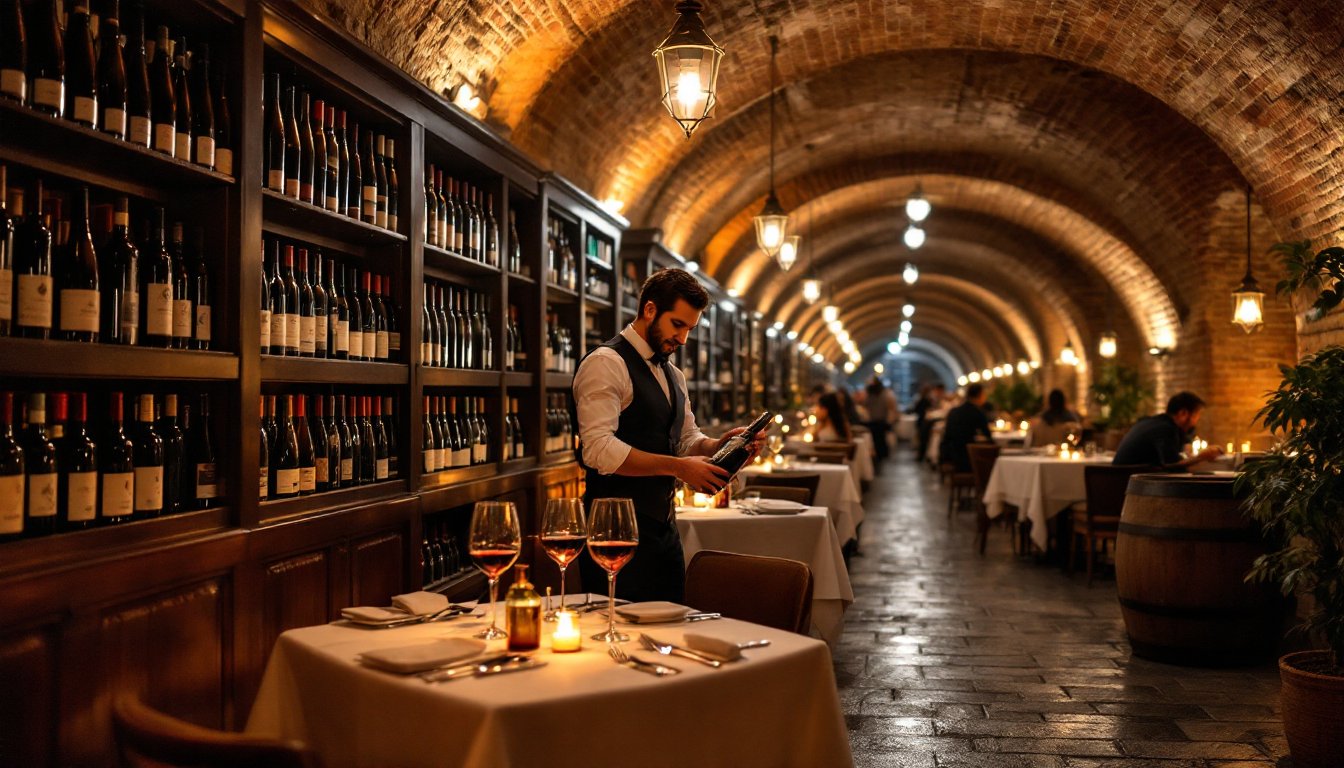

Wine cellar restaurants offer something most dining experiences can’t replicate: the feeling of descending into a carefully curated vault where bottles worth hundreds, sometimes thousands, rest just arm’s reach away. These aren’t ordinary basements retrofitted with tables. They’re subterranean sanctuaries built with climate control, strategic lighting, and acoustics that turn a meal into an event. Whether tucked beneath a century-old European inn or carved into the hillside of California wine country, these venues combine serious wine storage infrastructure with the intimacy of a private tasting room. The result? A dining experience where every element, temperature, humidity, sound, sight, reinforces the reverence for what’s in the glass and on the plate.
Key Takeaways
- A wine cellar restaurant is a climate-controlled subterranean dining space that maintains 55–60°F and 60–70% humidity to preserve bottles while delivering an intimate, acoustically superior dining experience.
- Wine cellar restaurants feature intentional architecture with exposed brick, stone arches, and flagstone floors that naturally regulate temperature, combined with low-temperature LED lighting to protect wine from UV degradation.
- The curated wine lists at wine cellar restaurants emphasize small producers and regional specialties, with food menus designed to complement rather than compete with wine through clean acidity and restrained flavoring.
- Underground dining creates unique sensory benefits including reduced ambient noise, improved privacy, and a naturally slower pace that’s ideal for business dinners, anniversaries, and wine education.
- When choosing a wine cellar restaurant, verify accessibility features like stair access and ceiling height, check reservation policies in popular wine regions like Los Gatos and Napa, and budget for higher pricing offset by sommelier expertise and curated experiences.
- Engaging the sommelier, dressing in layers, and pacing your meal enhances the wine cellar dining experience while asking about bottle provenance and storage builds appreciation for the infrastructure supporting each bottle.
What Makes a Wine Cellar Restaurant Special?
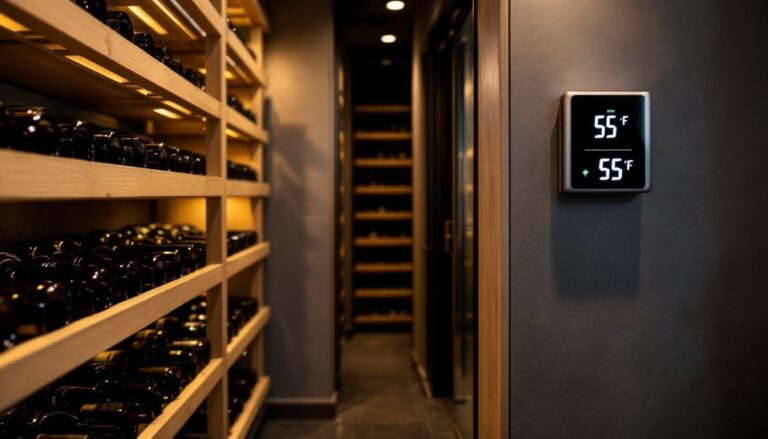
The defining feature of a wine cellar restaurant isn’t just location, it’s function meeting form. These spaces typically maintain 55–60°F temperatures and 60–70% relative humidity, the same conditions serious collectors use to age wine properly. That means diners aren’t just surrounded by bottles for show: they’re eating in an actively managed storage environment.
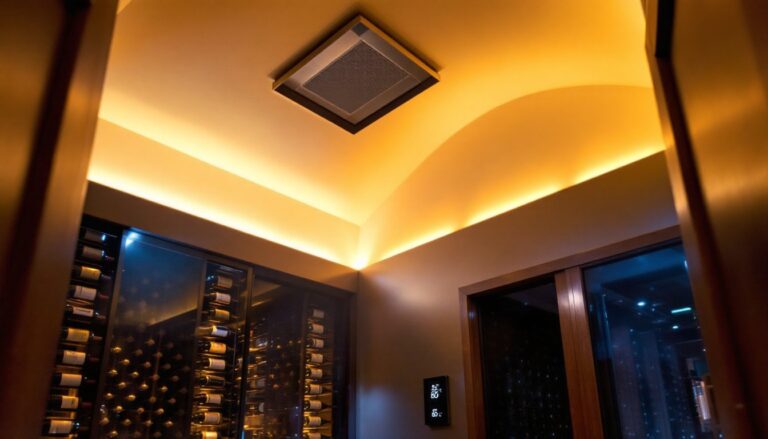
Structurally, many cellar restaurants occupy basements with exposed brick, stone arches, or barrel-vaulted ceilings, materials that naturally regulate temperature and add architectural weight. Floors are often flagstone, tile, or sealed concrete, chosen for moisture resistance and thermal mass. Lighting is low and warm, usually LED fixtures rated below 3000K to avoid heat buildup and UV exposure that degrades wine.
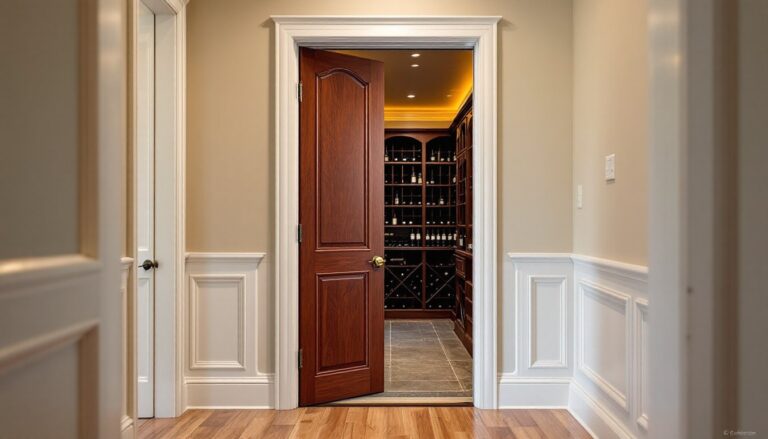
What sets these venues apart from standard restaurants is intentionality. The wine isn’t an afterthought, it’s the reason the space exists. Sommeliers often have direct access to inventory, pulling bottles from the same racks visible to guests. This transparency builds trust and theater. Diners see the breadth of the collection, understand the care involved, and feel they’re accessing something exclusive.
The Unique Atmosphere of Dining Underground
Eating below grade changes the sensory experience in subtle but measurable ways. Ambient noise drops, earth and masonry absorb sound more effectively than drywall and glass. Conversations stay at tables instead of bouncing around the room, creating privacy even in a full dining room.
The cooler air temperature affects how food is plated and served. Dishes tend to arrive slightly warmer than in standard dining rooms to compensate for the chill, and guests often appreciate the excuse to linger over a bottle without overheating. Sommeliers recommend keeping a light sweater or jacket handy, especially in European cellars where HVAC is minimal and natural cooling dominates.
Visually, the dim lighting and close quarters focus attention. There’s less distraction, fewer sightlines to other tables or windows. This makes wine cellar restaurants ideal for occasions requiring focus: business dinners, anniversary meals, or serious wine education. The space itself demands a slower pace.
That said, not everyone finds the vibe appealing. Those with claustrophobia or mobility issues should ask about ceiling height, stair access, and ventilation before booking. Some cellars involve steep, narrow staircases with low headroom, beautiful, but not ADA-compliant.
Curated Wine Lists and Food Pairings
A wine cellar restaurant’s list is rarely a grab-bag of popular labels. These are curated inventories, often emphasizing small producers, older vintages, or regional specialties that align with the restaurant’s identity. In a wine cellar in Los Gatos, for example, the list might lean heavily into Santa Cruz Mountains Pinot Noir and Chardonnay, showcasing local terroir alongside European benchmarks.
Food menus are built to complement the wine, not compete with it. Expect dishes with clean acidity, moderate fat, and restrained spice, think duck confit with cherry gastrique, aged steak with bone marrow butter, or roasted root vegetables with herbed butter. Chefs avoid overwhelming heat or excessive sweetness that muddy wine flavors.
Many cellar restaurants offer pairing menus where each course is matched to a specific pour, sometimes from bottles not available by the glass elsewhere. This format works well in a cellar setting because the sommelier can pull and decant wines on the fly, adjusting for guests’ preferences or discovering a bottle has turned.
Pricing varies widely. Some cellars operate as destination fine dining with lists topping out in four or five figures. Others, particularly in wine regions like Los Gatos or Napa, function as approachable tasting rooms with affordable flights and small plates. Transparency in markup, typically 2–3× retail for wine, less for rare bottles, is a sign of a well-run program.
Top Wine Cellar Restaurants Around the World
Europe holds the classic examples. In Paris, Le Coupe-Chou occupies a 17th-century cellar with low arches and candlelit tables. In Florence, Cantinetta Antinori sits beneath the Antinori family’s palazzo, serving estate wines alongside Tuscan staples. Germany’s Rheingau region boasts multiple cellar restaurants inside historic wineries, where Riesling flows from barrels aging in the same room.
In the United States, wine country naturally dominates. Napa Valley and Sonoma feature cellar dining at estates like Schramsberg and Castello di Amorosa. In Los Gatos, the wine cellar restaurant scene reflects the town’s proximity to the Santa Cruz Mountains AVA, with venues offering both fine dining and casual wine-forward bistros in climate-controlled underground spaces.
South America offers standouts in Mendoza, Argentina, where many bodegas include subterranean dining rooms designed for high-altitude wine tourism. Australia’s Barossa Valley has followed suit, with several wineries converting historic stone cellars into intimate dining venues.
What unites these locations is infrastructure. True cellar restaurants require proper ventilation, fire egress, and moisture management, not trivial when you’re below grade. Retrofitting an old basement is possible but expensive: purpose-built cellars often deliver better results.
How to Choose the Right Wine Cellar Restaurant for Your Occasion
Start by clarifying the goal. If the focus is wine education, look for venues with certified sommeliers and diverse lists that span regions and styles. If it’s ambiance, prioritize historic architecture and intimate seating. For celebration, choose places offering private cellar rooms or chef’s tables with direct kitchen access.
Check accessibility early. Many cellars involve stairs with no elevator option. If anyone in the party has mobility concerns, confirm details before booking. Same goes for temperature, if someone runs cold, a 58°F cellar might feel uncomfortable no matter how romantic.
Reservation policies matter. High-demand wine cellar restaurants in areas like wine cellar Los Gatos or Napa often book weeks or months ahead, especially for Friday and Saturday evenings. Midweek visits offer better availability and sometimes lower corkage fees if bringing your own bottles.
Finally, budget appropriately. Wine cellar dining skews expensive, but some venues offer lunch menus, happy hours, or seated tastings that deliver the experience at a fraction of dinner pricing. Ask about corkage policies if you’ve got a special bottle to share: many cellars waive or reduce fees for rare or sentimental wines.
Tips for Making the Most of Your Wine Cellar Dining Experience
Engage the sommelier. These aren’t upsellers, they’re gatekeepers to inventory most guests never see. Mention your budget, preferred styles, and any bottles you’re curious about. Many will offer tastes before committing to a full pour.
Dress in layers. Even well-heated cellars run cooler than standard dining rooms. A light jacket or wrap keeps you comfortable without looking out of place.
Pace yourself. The atmosphere encourages lingering, and wine in a cellar environment often tastes more approachable thanks to ideal serving temps. It’s easy to overdrink. Alternate water between pours and don’t rush courses.
Ask about provenance. If a bottle catches your eye, ask where it came from, how long it’s been in the cellar, and how it’s stored. Good cellars track acquisition dates and storage conditions, it’s part of the experience.
Consider a cellar tour if offered. Some restaurants include a walk-through of the storage area, explaining racking systems, climate controls, and prized bottles. It’s a chance to see the infrastructure that makes the meal possible.
Tip accordingly. Sommeliers who spend time educating, decanting, and managing pours deserve recognition beyond standard service gratuity. Many cellars pool tips, but if the wine service was exceptional, a direct acknowledgment, financial or verbal, goes a long way.
Conclusion
Wine cellar restaurants offer more than a meal, they deliver an environment where temperature, architecture, and curation converge. Whether exploring the historic cellars of Europe or discovering a hidden gem in wine country like Los Gatos, the experience hinges on respect for the bottle and the setting. With the right expectations, a bit of planning, and willingness to trust the sommelier, dining in a cellar transforms wine from a beverage into the centerpiece of the evening.