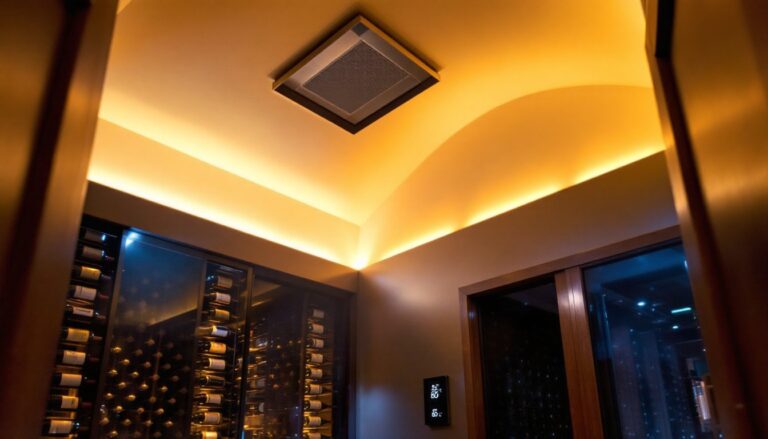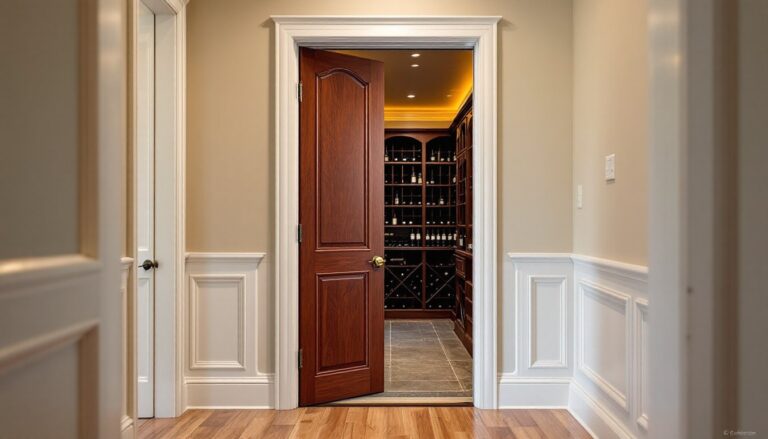
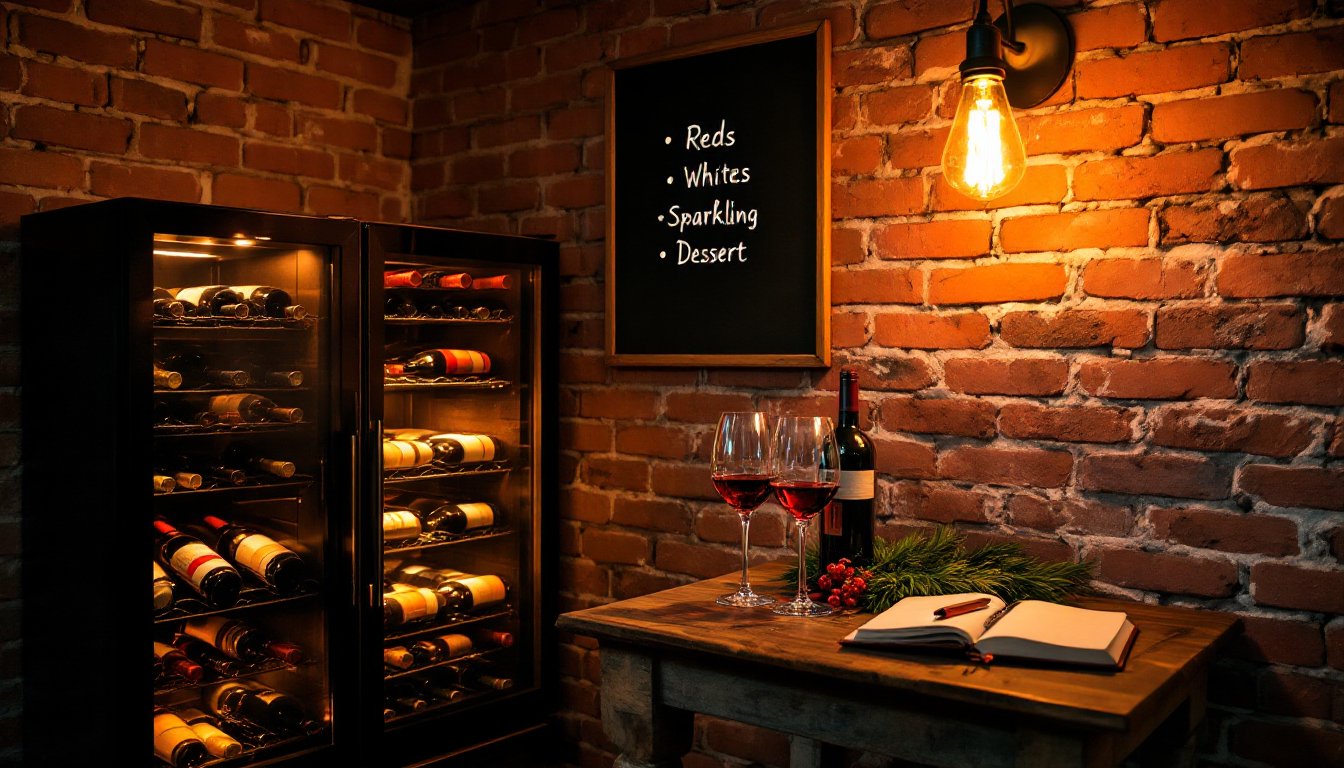

The holiday season brings entertaining, family dinners, and special occasions that call for well-chosen wines. A dedicated holiday wine cellar, whether it’s a climate-controlled closet, a basement corner, or a compact wine fridge, ensures bottles are stored properly and ready when guests arrive. Unlike everyday wine storage, a holiday cellar requires quick access, organized inventory, and a mix of varietals suited to everything from Christmas roasts to New Year’s toasts. Setting one up doesn’t require a mansion or contractor. With the right conditions, a bit of planning, and attention to pairing, anyone can keep festive wines in peak condition all season long.
Key Takeaways
- A holiday wine cellar requires storage between 55–65°F with organized, label-forward racking for quick guest access during entertaining season.
- Stock a mix of Pinot Noir, Cabernet Sauvignon, crisp whites like Chablis, and sparkling wines to pair with holiday menus spanning turkey, beef, seafood, and festive appetizers.
- Match wine weight and acidity to food: light wines for appetizers, full-bodied reds for prime rib, and high-acid sparkling wines to cleanse the palate between courses.
- A holiday wine cellar holds 24–60 bottles in a basement, closet, or compact wine fridge—far smaller than aging cellars but requires rotation and inventory management for smooth party hosting.
- Use a simple spreadsheet or app like Vivino to track bottles, and pre-chill whites and sparkling wines the morning of your event for efficient serving.
- Dessert wines such as late-harvest Riesling and Port must match or exceed the sweetness of holiday desserts to avoid tasting sour alongside pecan pie or pumpkin cheesecake.
What Makes a Holiday Wine Cellar Different?
A holiday wine cellar serves a specific purpose: short-to-medium-term storage (typically three to six months) with an emphasis on variety, accessibility, and presentation. Unlike long-term cellars designed for aging Bordeaux or vintage ports, a holiday setup prioritizes rotation and convenience.
The typical homeowner stocks it in early fall and draws from it through New Year’s. This means wines don’t need decades-long aging potential, they need to be ready to drink now or within weeks. The selection leans toward crowd-pleasers: medium-bodied reds, crisp whites, sparkling options, and dessert wines.
Space requirements differ, too. A holiday cellar might hold 24 to 60 bottles rather than hundreds. Thermoelectric wine coolers (which hold 28–50 bottles and fit under counters) work well for apartments or homes without basement space. If using a closet or pantry, avoid exterior walls where temperature swings occur.
Organization matters more than square footage. Guests ask for specific styles (“something bubbly,” “a bold red for beef”), so the host needs to retrieve bottles without digging. Label-forward racking, zone storage by varietal, and a simple inventory list (even a sticky note on the door) keep things efficient during the party rush.
Essential Wines to Stock for Holiday Entertaining
Red Wines for Holiday Meals
Holiday menus lean heavy: roasted meats, gravies, root vegetables, and rich sauces. Red wines need enough body to stand up to bold flavors without overwhelming lighter sides.
Pinot Noir works across the widest range of dishes. Its medium body, bright acidity, and red fruit notes pair with turkey, ham, duck, and even salmon. Look for bottles from Willamette Valley (Oregon), Burgundy, or Central Otago (New Zealand). These typically retail between $18 and $40 depending on appellation.
Cabernet Sauvignon or Merlot-based blends suit beef tenderloin, prime rib, or lamb. Napa, Paso Robles, and Washington State produce approachable styles that don’t require decades of aging. A Côtes du Rhône or Grenache blend offers a lighter, spicier alternative with herbal notes that complement sage, thyme, and rosemary in stuffing.
For adventurous guests, stock one Nebbiolo (Barolo or Barbaresco) or Tempranillo (Rioja). These deliver complexity and pair beautifully with charcuterie boards served before dinner.
Plan for one bottle per three to four guests if serving multiple courses, or one bottle per two guests if wine is the primary beverage.
White and Sparkling Wines for Celebrations
White wines handle appetizers, seafood starters, and dishes with cream or butter. Chardonnay remains the workhorse, unoaked versions from Chablis or Mâconnais offer crisp minerality, while California or Australian styles bring richer, buttery textures for lobster bisque or scalloped potatoes.
Riesling (off-dry or semi-sweet) balances spicy glazes, Asian-inspired appetizers, and desserts. German Kabinett or Washington State Rieslings provide that touch of sweetness without cloying. Sauvignon Blanc delivers bright acidity for salads, oysters, and goat cheese–based appetizers.
Sparkling wine serves double duty: as an aperitif and a celebratory pour at midnight. Stock both Champagne (or domestic sparkling from Anderson Valley or Finger Lakes) and Prosecco. Champagne suits toasts and caviar: Prosecco works for mimosas, bellinis, and casual sipping. Cava from Spain offers a budget-friendly middle ground with fine bubbles and good structure.
Chill whites and sparkling wines to 45–50°F before serving. If refrigerator space is tight, use an ice bucket with half ice, half water for faster cooling (about 15 minutes per bottle).
Optimal Storage Conditions for Your Holiday Wine Collection
Wine requires three things: stable temperature, moderate humidity, and minimal light exposure. Holiday storage won’t match a professional cave, but hitting the benchmarks prevents spoilage.
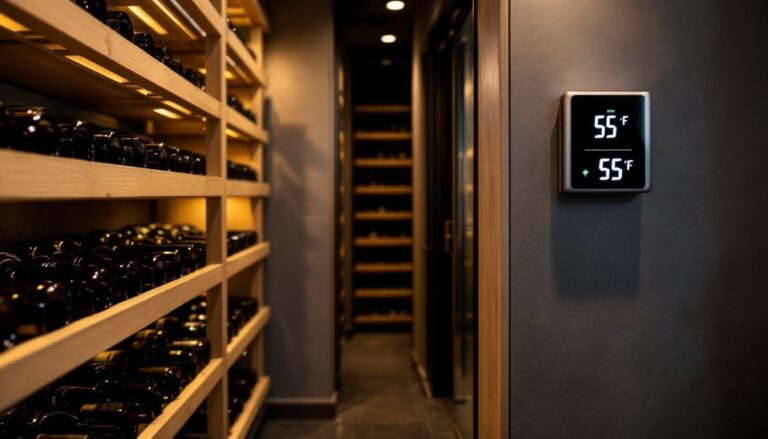
Temperature should stay between 55–65°F, with 55°F being ideal. Fluctuations above 70°F accelerate aging and can push corks out slightly, allowing oxidation. Basements, interior closets, and insulated pantries often fall within range. Avoid garages, attics, or spots near heating vents.
If ambient temperature runs warm, a wine refrigerator is the most practical fix. Dual-zone models let the user store reds at 60–65°F and whites at 45–50°F in separate compartments. Expect to spend $200–$600 for a quality 28–50-bottle unit. Compressor models handle ambient heat better than thermoelectric, but they’re noisier.
Humidity between 50–70% keeps corks from drying out. In dry climates, place a small dish of water inside the cellar or run a humidifier nearby. Too much humidity (above 80%) risks mold on labels, adequate but not critical for short-term storage.
Light, especially UV, breaks down tannins and causes premature aging. Store bottles in the dark or use amber/tinted glass doors on wine fridges. If using open shelving, drape a dark cloth over the rack.
Keep bottles on their sides so wine contacts the cork, preventing it from shrinking. Screw-cap bottles can stand upright, but horizontal storage saves space and maintains consistency across the collection.
Safety note: If installing shelving or cabinetry, anchor units to wall studs using appropriate hardware (typically #10 wood screws into studs or toggle bolts for drywall). A fully stocked wine rack can exceed 150 pounds.
Organizing Your Wine Cellar for Easy Holiday Access
A well-organized cellar cuts retrieval time from five minutes of label-reading to ten seconds. Guests don’t wait while the host rummages.
Zone by type: Group reds, whites, sparkling, and dessert wines in separate sections. Within each zone, arrange by weight or intensity, light Pinot Noir on the left, heavier Cabernet on the right. This mirrors how menus progress and makes pairing intuitive.
Label-forward racking or pull-out shelves eliminate the need to tilt bottles. Modular wine racks (wood or metal) from retailers like Wine Enthusiast or CellarSelect offer adjustable configurations. Expect to pay $3–$8 per bottle slot depending on material and finish.
For cellars with more than 30 bottles, keep a written or digital inventory. A simple spreadsheet tracking varietal, vintage, quantity, and ideal serve date works. Apps like Vivino or CellarTracker offer barcode scanning and pairing suggestions, though a laminated index card taped inside the cellar door is just as effective.
Designate a “ready-to-serve” bin near the front. Pre-chill whites and sparkling wines the morning of an event, then move them to this bin for quick access. Use reusable gel ice packs wrapped in kitchen towels to maintain temp without dilution.
If hosting multiple events, rotate stock after each gathering. Move backups forward and note what sold out fastest, typically Prosecco, approachable reds under $25, and anything guests asked about by name. Restock within a week to avoid last-minute liquor store runs.
Wine and Food Pairing Tips for Holiday Gatherings
Pairing holiday wines doesn’t require sommelier credentials, just a few principles and willingness to experiment.
Match weight to weight. Light dishes (salads, white fish, appetizers) pair with light wines (Sauvignon Blanc, Pinot Grigio, rosé). Rich, fatty foods (prime rib, duck confit, mac and cheese) need fuller-bodied wines (Cabernet, Syrah, oaked Chardonnay) to cut through richness.
Consider the sauce, not just the protein. Turkey with cranberry sauce leans tart and fruity, try Beaujolais or Grenache. Turkey with mushroom gravy turns earthy, reach for Pinot Noir or aged Rioja. Ham with brown sugar glaze calls for off-dry Riesling or Gewürztraminer to mirror sweetness.
Acid refreshes the palate. High-acid wines (Champagne, Chablis, Barbera) cleanse fat and prep taste buds for the next bite. Serve them with cream-based soups, butter-heavy sides, or fried appetizers.
Tannins pair with protein and fat. Big reds like Cabernet or Barolo have tannins that bind to proteins in steak or aged cheese, softening the wine and enhancing the food. Avoid pairing tannic reds with fish or delicate vegetables, they’ll taste metallic.
Sweetness in wine should match or exceed sweetness in food. Pecan pie, pumpkin cheesecake, and gingerbread demand dessert wines: late-harvest Riesling, Port, Sauternes, or Moscato d’Asti. Dry wines taste sour next to sugar.
When in doubt, offer two options per course: a red and a white. Guests appreciate choice, and leftovers integrate into the next meal. Open bottles keep for three to five days with a vacuum pump or inert gas preserver (argon-based products like Private Preserve retail around $10 and extend life noticeably).