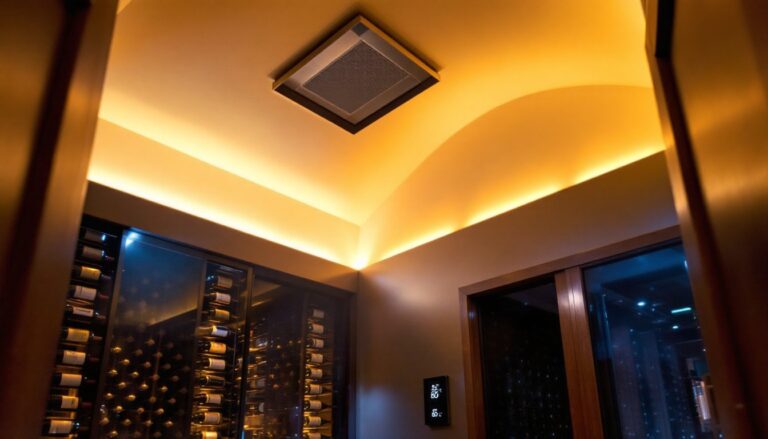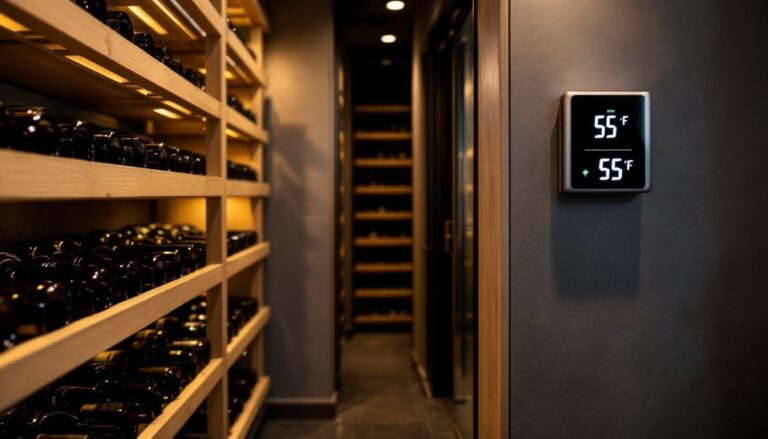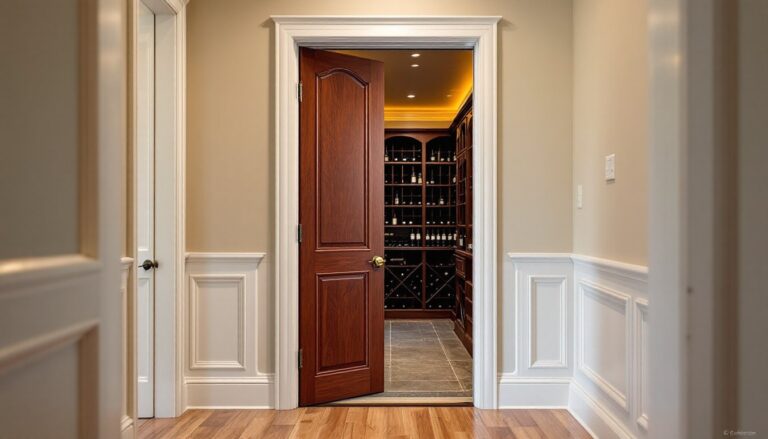
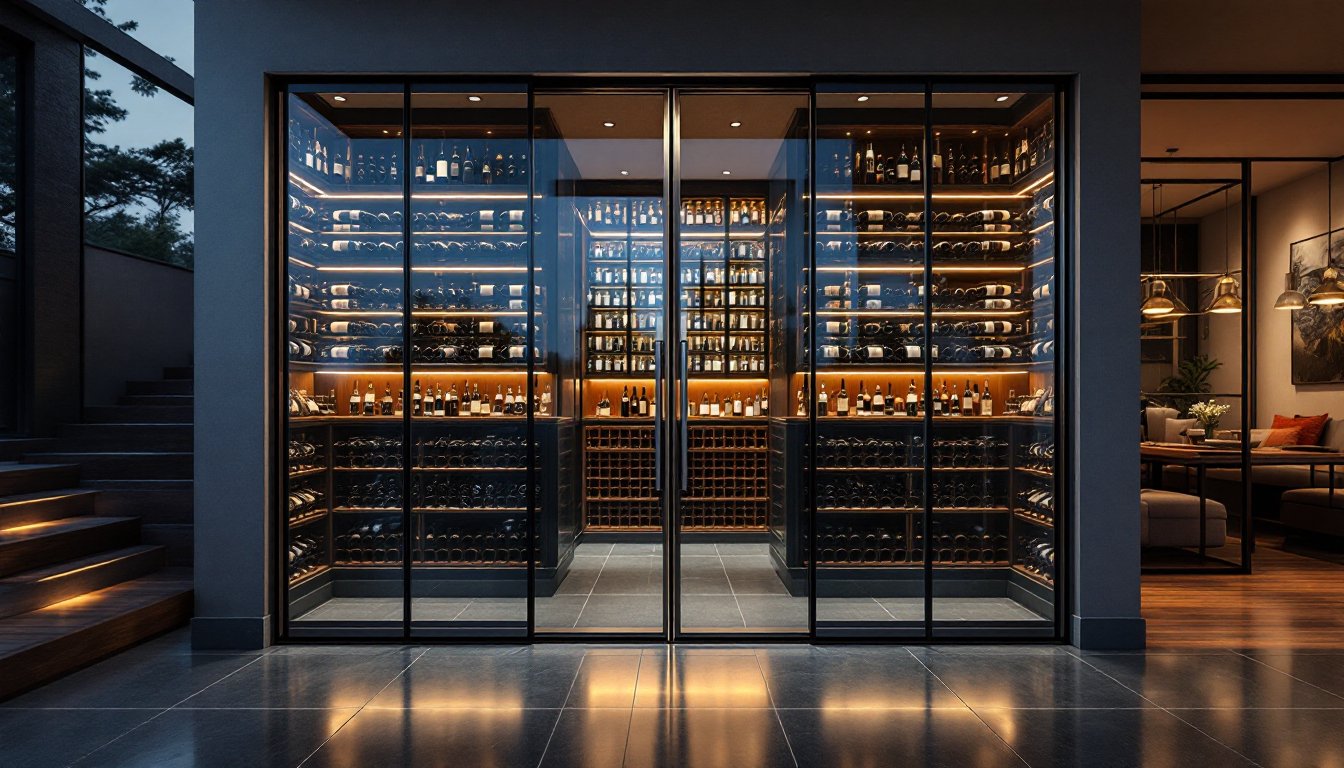

A wine cellar behind solid walls keeps bottles safe, but a wine cellar glass door turns storage into a showpiece. Glass doors let homeowners display their collection while maintaining the controlled environment bottles need to age properly. They’re not just decorative, when chosen correctly, they offer insulation, UV protection, and structural integrity comparable to traditional cellar doors. Installing one requires attention to detail, from selecting the right glass type to ensuring a proper seal, but the payoff is a functional focal point that adds value and visual interest to any home. This guide walks through the options, features, and installation considerations for anyone planning to add a glass door to their wine cellar.
Key Takeaways
- Wine cellar glass doors transform storage into a showpiece while maintaining the insulation, UV protection, and temperature control needed for proper bottle aging.
- Dual-pane or triple-pane insulated glass units (IGUs) with Low-E coatings and tempered glass are the standard for wine cellar applications to prevent temperature swings and heat damage.
- Framed glass doors with aluminum frames offer superior insulation and easier sealing compared to frameless designs, which require climate-controlled interior spaces to function properly.
- Proper sealing, compression gaskets, quality weatherstripping, and magnetic threshold details are critical to prevent air leakage and condensation in wine cellars maintained at 60-70% humidity.
- A wine cellar glass door adds 10–15% to cooling requirements, so verify your HVAC system’s BTU rating and cooling capacity before installation to prevent temperature control issues.
- Professional installation is recommended for glass doors to ensure precise jamb alignment, proper weight-rated hinges, and airtight sealing—mistakes risk air leaks, damage to wine, and costly repairs.
Why Choose Glass Doors for Your Wine Cellar
Visibility is the primary draw. A glass door transforms a hidden wine collection into an architectural feature, especially when paired with interior lighting that highlights bottles and racking. For homeowners who’ve invested in custom millwork, LED accent lighting, or rare vintages, a glass door ensures that investment gets seen.
Beyond aesthetics, glass doors offer practical advantages. They allow quick inventory checks without opening the door and disrupting the cellar’s temperature or humidity. This matters for serious collectors who track their bottles closely and want to minimize climate fluctuations.
Glass doors also improve sightlines and natural flow in open floor plans. A solid door can make a wine cellar feel like a storage closet: glass integrates it into the living space, creating continuity between the cellar and adjacent rooms like dining areas or home bars.
That said, glass doors aren’t for every setup. They require careful selection of insulated glass and proper sealing to maintain the 55–60°F temperature range most wines need. Homes in extreme climates may need additional HVAC capacity to offset heat transfer through glass. Anyone considering a glass door should confirm their cooling system can handle the added thermal load.
Types of Glass Used in Wine Cellar Doors
Not all glass is suitable for wine storage. Single-pane glass offers no insulation and will cause temperature swings that damage wine. The standard for wine cellar applications is dual-pane or triple-pane insulated glass units (IGUs), which trap air or inert gas between layers to slow heat transfer.
Tempered glass is the baseline for safety. It’s heat-treated to shatter into small, dull pieces rather than sharp shards if broken. Building codes in most jurisdictions require tempered glass for any door application, and it’s especially important in high-traffic areas. Tempered glass also handles the thermal stress of temperature differences between the cellar and adjacent rooms.
Low-E (low-emissivity) glass includes a microscopically thin coating that reflects infrared light. This reduces heat gain from warmer rooms outside the cellar and improves energy efficiency. Low-E coatings are often applied to one of the interior panes in an IGU.
Laminated glass bonds two layers of glass with a plastic interlayer (typically polyvinyl butyral). If shattered, the interlayer holds fragments together, adding security and soundproofing. Some wine cellar glass door designs use laminated glass for the outer pane and tempered glass for the inner pane.
Insulated Glass Options
Most wine cellar glass doors use double-pane IGUs with a ½-inch to ¾-inch air gap. The gap is often filled with argon or krypton gas, which has lower thermal conductivity than air. Argon is more common and cost-effective: krypton performs slightly better but costs more.
Triple-pane IGUs offer the best insulation, with R-values (resistance to heat flow) comparable to insulated walls. They’re heavier and more expensive, but worth considering for cellars in basements or garages where temperature differentials are significant. Keep in mind that triple-pane units may require upgraded hinges or framing to support the extra weight.
Glass thickness matters. Standard IGUs use ¼-inch glass panes, but upgrading to ⅜-inch or ½-inch panes improves both insulation and sound dampening. Thicker glass also feels more substantial and reduces flex, which helps maintain the seal around the door.
Frameless vs. Framed Glass Door Designs
Frameless glass doors use tempered glass ⅜-inch to ½-inch thick with minimal hardware, typically just hinges, a handle, and a magnetic or compression seal. They create a clean, modern look and maximize visibility. Frameless doors are often installed with pivot hinges or offset hinges mounted directly to the glass using through-bolted hardware.
The tradeoff is insulation. Frameless designs rely on a single glass panel or a frameless IGU, and achieving an airtight seal is more challenging without a perimeter frame. Gaskets and weatherstripping must be precisely fitted, and even small gaps can compromise temperature control. Frameless doors work best in climate-controlled interior spaces where the temperature difference between the cellar and surrounding rooms is minimal.
Framed glass doors use aluminum, wood, or steel frames that hold the IGU in place and provide a built-in seal. Aluminum frames are the most common, they’re lightweight, won’t warp, and accept powder-coated or anodized finishes. Wood frames offer traditional aesthetics but require regular maintenance in humid cellar environments. Steel frames are less common but add a bold, industrial look.
Framed doors are easier to weatherstrip and integrate with standard door jambs. The frame provides a solid mounting surface for hinges and latch hardware, and the IGU sits in a rabbet or channel with compression gaskets all around. This makes for a tighter seal and better thermal performance.
Weight is a key consideration. A 36-inch by 80-inch triple-pane IGU in an aluminum frame can weigh 150–200 pounds. Most installations require three or more heavy-duty hinges rated for the door’s weight. Pivot hinges or floor-mounted pivots are an alternative for very heavy doors, distributing weight more evenly.
Essential Features to Consider
Sealing and weatherstripping are critical. Wine cellars are typically kept at 60–70% humidity, and any air leakage will stress the cooling system and cause condensation. Compression gaskets around the door perimeter and a quality threshold or door sweep at the bottom are non-negotiable. Magnetic weatherstripping, commonly used in refrigerator doors, works well for wine cellar glass doors and ensures consistent contact.
Hardware and hinges must match the door’s weight. Stainless steel or brass hinges resist corrosion in humid environments. Adjustable hinges make it easier to fine-tune the door’s fit after installation. Latch hardware should include a striker plate and a latch or lockset that pulls the door tight against the gaskets.
Threshold detail matters more than most people expect. A raised threshold (similar to an exterior door) helps prevent air leakage at the bottom of the door, but it creates a trip hazard. A flush threshold is cleaner but requires a recessed door sweep or automatic drop seal to maintain the seal.
UV Protection and Temperature Control
Ultraviolet light degrades wine over time, breaking down tannins and causing premature aging. UV-filtering coatings or films block 99% of UV rays while allowing visible light through. Some Low-E glass includes UV protection: otherwise, a retrofit film can be applied to existing glass.
Even with UV protection, direct sunlight is a problem. If the wine cellar glass door faces a window or receives strong natural light, consider cellular shades, UV-blocking window film on nearby windows, or relocating bottles away from the door.
Temperature control depends on the cellar’s cooling system and the door’s insulation. Most wine cellars use through-wall cooling units (similar to a window AC) or ducted split systems. When adding a glass door, confirm the cooling unit’s BTU rating can handle the added heat load. As a rough guide, glass doors add 10–15% to the cooling requirement compared to insulated solid doors.
Some wine cellar glass doors include integrated heating elements in the glass to prevent condensation. These low-voltage heating wires, embedded between glass layers, warm the interior pane just enough to stay above the dew point. They’re useful in humid climates or cellars with aggressive cooling, but they draw power and add to the door’s cost.
Installation and Maintenance Best Practices
Rough opening preparation is the same as for any prehung door, but tolerances are tighter. The opening should be plumb, level, and square within ⅛ inch. Out-of-square openings cause binding, uneven gaps, and seal failures. Use a 6-foot level and shim the jamb carefully.
Most wine cellar glass doors are custom-sized and ordered prehung in a frame. Installation involves setting the frame in the opening, shimming it plumb and level, fastening through the jamb into the framing (usually 2×4 or 2×6 studs), and sealing around the perimeter with low-expansion foam or backer rod and sealant. High-expansion foam can bow the jamb and cause the door to bind.
Electrical considerations: If the door includes heating elements or if interior lighting is planned, rough in electrical before drywall. Low-voltage LED strips are common for accent lighting and require a transformer, typically mounted in the ceiling or behind racking.
Permit and code requirements vary. Some jurisdictions classify wine cellars as habitable space and require insulated doors to meet energy codes. Others treat them as specialty storage and have minimal requirements. Check local building codes, especially if the cellar is conditioned separately from the rest of the home.
Maintenance is straightforward. Clean glass with a non-ammonia cleaner to avoid damaging Low-E coatings or films. Check weatherstripping annually and replace it if compressed or cracked. Inspect hinges and hardware for corrosion, especially in high-humidity cellars, and lubricate moving parts with a silicone-based spray.
Condensation on the glass indicates a sealing or insulation problem. If condensation appears on the room-facing side, the cellar is losing cold air or humidity is too high in the adjacent space. Condensation between IGU panes means the seal has failed and the unit needs replacement. Running a dehumidifier in adjacent spaces can reduce condensation on exterior glass surfaces.
Anyone uncomfortable with precise carpentry or handling heavy glass should hire a professional installer. A poorly installed wine cellar glass door will leak air, stress the cooling system, and risk damaging the wine collection, a costly mistake that outweighs the savings of DIY installation.