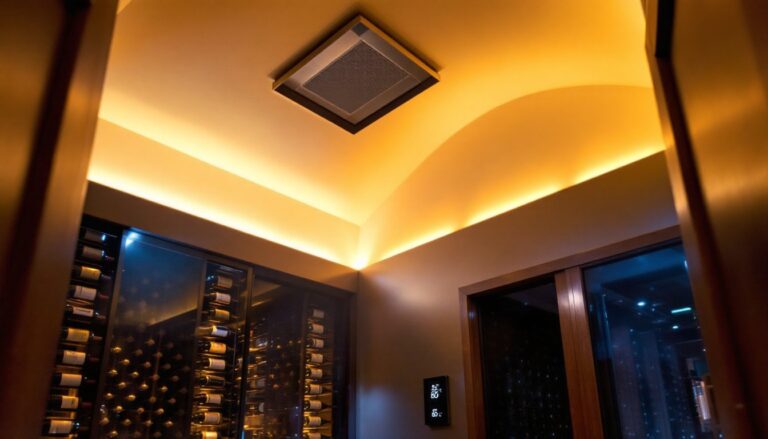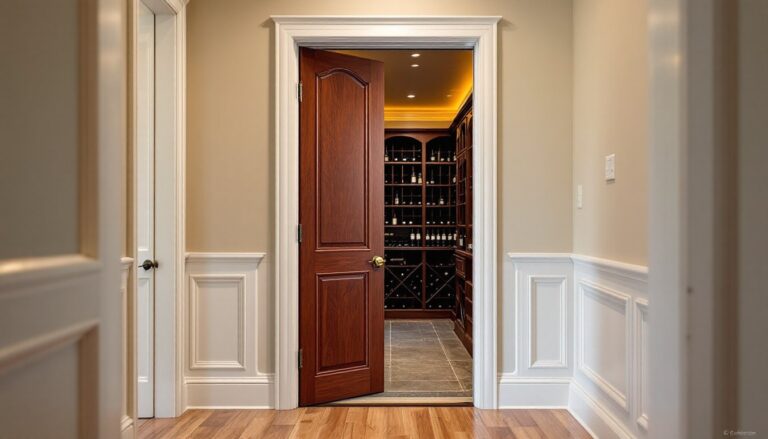
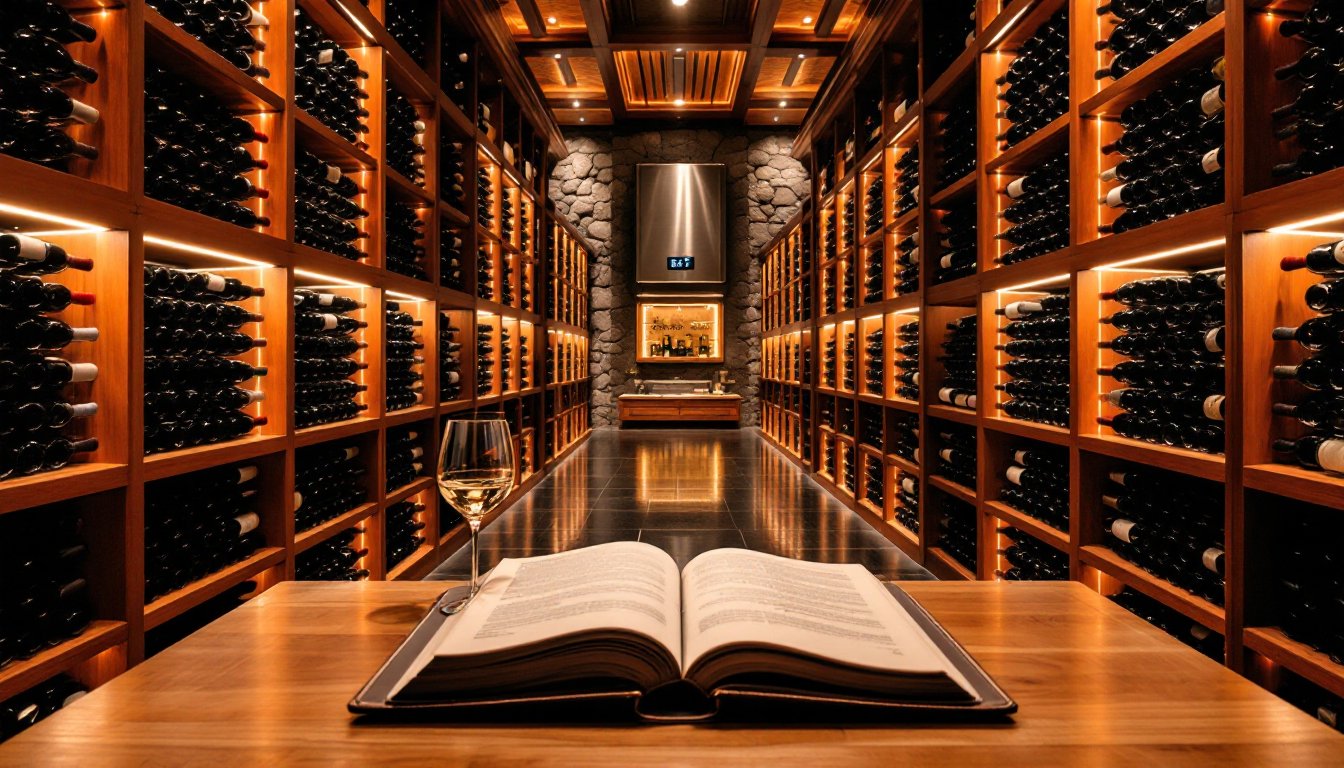

A wine library transforms the utilitarian concept of bottle storage into something far more intentional, a curated, climate-controlled archive where each bottle represents a moment in time, a region’s terroir, or a winemaker’s craft. Unlike a simple rack tucked under the stairs, a proper wine library treats bottles as volumes in a collection, organized and preserved to mature gracefully. For serious collectors and casual enthusiasts alike, building a wine library in 2026 means combining old-world reverence with modern climate control, smart cataloging systems, and thoughtful design. Whether converting a basement corner or designing a dedicated wine cellar in Pasadena’s temperate climate, the goal remains the same: protect the investment, track the collection, and create a space that invites exploration.
Key Takeaways
- A wine library elevates cellar storage into a curated, climate-controlled archive through intentional organization, cataloging, and stewardship practices.
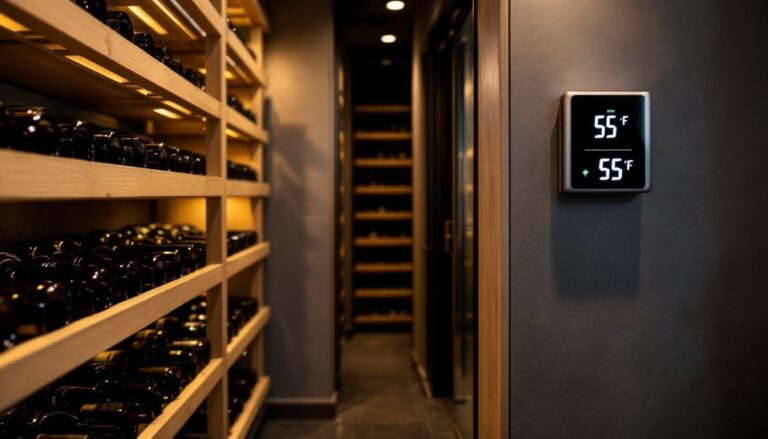
- Maintaining stable temperature (55–58°F) and controlled humidity (60–70%) is essential to prevent wine degradation and protect your investment.
- Digital cataloging apps like CellarTracker and Vivino enable collectors to track inventory, drinking windows, and tasting notes while scaling from 50 to 500+ bottles.
- Shelving materials, lighting, and vibration control directly impact wine preservation; redwood, LED lighting, and proper insulation prevent oxidation and cork failure.
- A well-curated wine library balances everyday bottles with occasional splurges, mixes regions and varietals, and respects vintage variation to ensure diverse selections for any occasion.
- Annual audits and ruthless editing keep the collection dynamic by removing bottles past their prime, duplicates, and wines no longer aligned with the collector’s palate.
What Is a Wine Library and Why Call Your Cellar One?
The term “wine library” elevates storage into stewardship. A library implies organization, accessibility, and intentional curation, qualities every serious wine collector should embrace. Instead of randomly stacking bottles, a wine library approach means cataloging vintages, tracking drinking windows, and arranging bottles by region, varietal, or maturity.
This mindset shift matters for practical reasons. Wine is a living product that evolves in the bottle. Temperature swings, vibration, light exposure, and improper humidity can ruin a $20 Bordeaux as easily as a $200 Barolo. Treating a cellar like a library reinforces the discipline needed to maintain optimal conditions and know exactly what’s aging on the racks.
The concept also changes how collectors interact with their wines. A library invites browsing, discovery, and well-informed choice-making. Instead of grabbing whatever’s in reach, the collector can pull up digital logs, review tasting notes, and select the perfect bottle for the occasion. It’s a system that scales, whether managing 50 bottles or 500, and keeps the collection from becoming a chaotic pile of forgotten purchases.
Designing Your Wine Library: Essential Elements for the Perfect Cellar
Building a functional wine library starts with understanding two non-negotiable requirements: stable temperature and controlled humidity. Without these, even the best organizational system won’t save the wine.
Temperature and Humidity Control
Ideal wine storage temperature sits between 55°F and 58°F, with minimal fluctuation. A five-degree daily swing causes the wine to expand and contract, pushing air past the cork and accelerating oxidation. Basement locations naturally offer cooler, more stable temps than ground-level rooms, but passive cooling rarely suffices in modern homes.
For dedicated cellars, a wine cellar cooling unit provides precise climate control. These through-wall or ducted systems maintain temperature within a degree or two and often include humidity management. Expect to spend $1,500 to $4,000 for a unit sized to a 500- to 1,000-bottle cellar, depending on insulation quality and ambient conditions. In warmer climates, think wine cellar Pasadena projects where summer temps push 90°F, proper insulation (minimum R-19 in walls, R-30 in ceilings) and vapor barriers become essential to prevent the cooling unit from running nonstop.
Humidity should hover around 60% to 70%. Too dry, and corks shrink, allowing air into the bottle. Too wet, and labels peel off, mold creeps in, and wood shelving warps. Most wine cooling units regulate humidity passively, but standalone humidifiers or dehumidifiers may be needed in extreme climates. A simple analog hygrometer mounted at eye level provides a quick visual check.
Vibration control matters too. Compressor-based cooling units and nearby HVAC ducts can transmit vibrations that disturb sediment and disrupt aging. Mounting cooling units on vibration-dampening pads and avoiding placement near mechanical rooms helps preserve wine integrity.
Storage Solutions and Shelving Systems
Shelving design dictates accessibility, capacity, and aesthetics. The most common systems include:
- Individual bottle racking (diamond bins): Classic modular units where each bottle rests in a diagonal cubby. Easy to see labels, simple to retrieve single bottles. Standard depth is 12 to 14 inches to accommodate Bordeaux and Burgundy bottle profiles.
- Bulk storage bins: Open cubes that hold 12 to 24 bottles stacked horizontally. Ideal for case purchases meant to age untouched for years. Less convenient for frequent access.
- Display rows: Single-bottle-deep shelving, often at eye level, for showcase bottles or near-term drinking selections.
- Waterfall racking: Angled shelves that present labels forward, combining display appeal with decent capacity.
Material choice affects longevity and climate performance. Redwood and mahogany resist moisture and won’t impart off-flavors, making them traditional favorites. Metal racking (powder-coated steel or aluminum) offers a contemporary look, higher capacity per square foot, and zero wood maintenance. Avoid pine or untreated softwoods, they warp and can harbor mold in humid cellars.
Dimensions matter. Standard wine racks are built for 750ml bottles, but collectors of magnums, splits, or Champagne need adjustable or custom shelving. Measure your collection’s bottle profiles before committing to a racking system.
Lighting should be low-intensity and LED-based. UV exposure degrades wine, so skip fluorescents and incandescents. Motion-activated LEDs with warm color temperatures (2700K to 3000K) provide enough visibility for label reading without heat buildup or UV damage.
Cataloging Your Collection: The Art of Wine Organization
A wine library without a catalog is just a crowded cellar. Proper organization starts with a system, digital, analog, or hybrid, that tracks what’s on hand, where it’s located, and when it should be opened.
Digital inventory apps dominate in 2026. Platforms like CellarTracker, Vivino, and Delectable allow collectors to scan labels, log purchase dates, track provenance, and set drinking window reminders. Most integrate with smartphone cameras for instant barcode or label recognition, auto-populating vintage details, tasting notes, and critic scores. Advanced features include cellar location tagging (“Rack 3, Bin 12”), value tracking, and pairing suggestions.
For collectors who prefer tactability, a printed ledger or cellar book works fine for smaller collections. Columns should include producer, varietal, vintage, quantity, purchase date, source, and ideal drinking window. The downside: no search function and manual updates when bottles are consumed.
Physical organization inside the cellar should mirror the catalog. Common schemas include:
- By region: Bordeaux in one section, Burgundy in another, domestic separated from international.
- By varietal: All Pinot Noir together, all Cabernet together. Works well for collectors focused on specific grapes.
- By drinking window: “Drink now,” “drink 2026–2030,” “age 10+ years.” Prevents overaging bottles past their prime.
- By occasion or value tier: Everyday drinkers up front, special occasion bottles in climate-controlled corners.
Bin numbers or grid coordinates make retrieval faster. Labeling each rack section (A, B, C) and shelf row (1, 2, 3) means the catalog entry “Rack B, Row 2” leads straight to the bottle. Adhesive or magnetic bin tags keep the system visible without permanent alterations.
Consistency is key. Whatever system is chosen, it must be maintained. A half-updated inventory is worse than none, it breeds confusion and leads to forgotten bottles turning to vinegar in the back corner.
Curating a Wine Library Worth Savoring
Curation separates a wine library from a wine warehouse. A thoughtful collection reflects the collector’s palate, budget, and goals, whether that’s vertical tastings of a favorite producer, exploring emerging regions, or investing in age-worthy Bordeaux.
Diversity matters. A library heavy on one vintage or region lacks resilience. Vintage variation, climate shifts, and evolving tastes all argue for spreading risk. Mix everyday bottles (under $25) with occasional splurges, and balance Old World classics with New World experiments.
Drinking windows guide purchases. Not every bottle improves with age. Most whites, rosés, and lighter reds hit their peak within two to four years. Structured reds, Cabernet Sauvignon, Barolo, Rioja, often need five to fifteen years. Buying across maturity timelines ensures there’s always something ready to open.
Document everything. Tasting notes, purchase prices, and drinking experiences inform future buying. A bottle that tasted flat in 2024 might sing in 2028, but only if the collector remembers to revisit it.
Edit ruthlessly. A wine library isn’t a hoarder’s closet. Bottles that no longer fit the palate, duplicates bought on impulse, or wines past their prime should be consumed, gifted, or sold. Annual audits keep the collection dynamic and prevent stagnation.
Conclusion
Building a wine library means committing to more than storage, it’s about creating a system that honors the wine, tracks its evolution, and makes every bottle accessible when the moment’s right. With stable climate control, smart shelving, disciplined cataloging, and thoughtful curation, any cellar can become a true library: organized, intentional, and endlessly rewarding to explore.