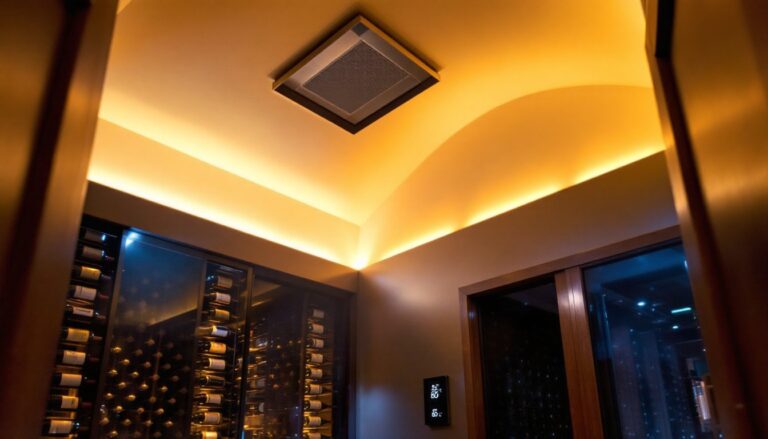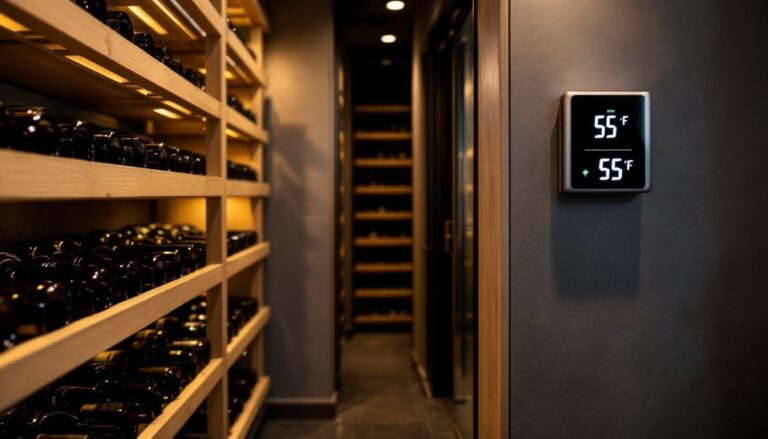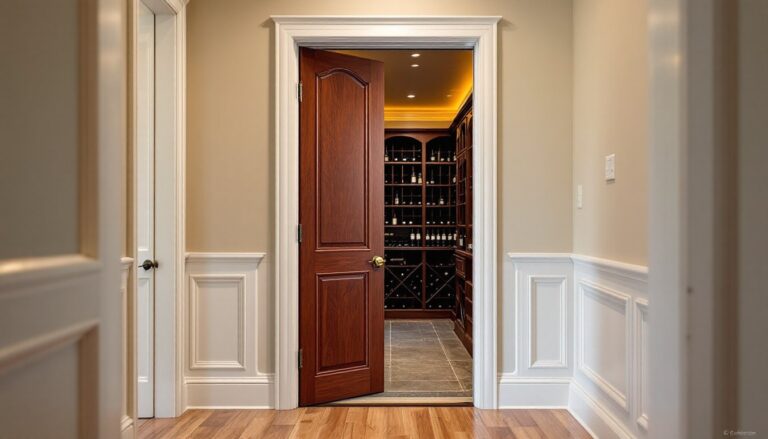
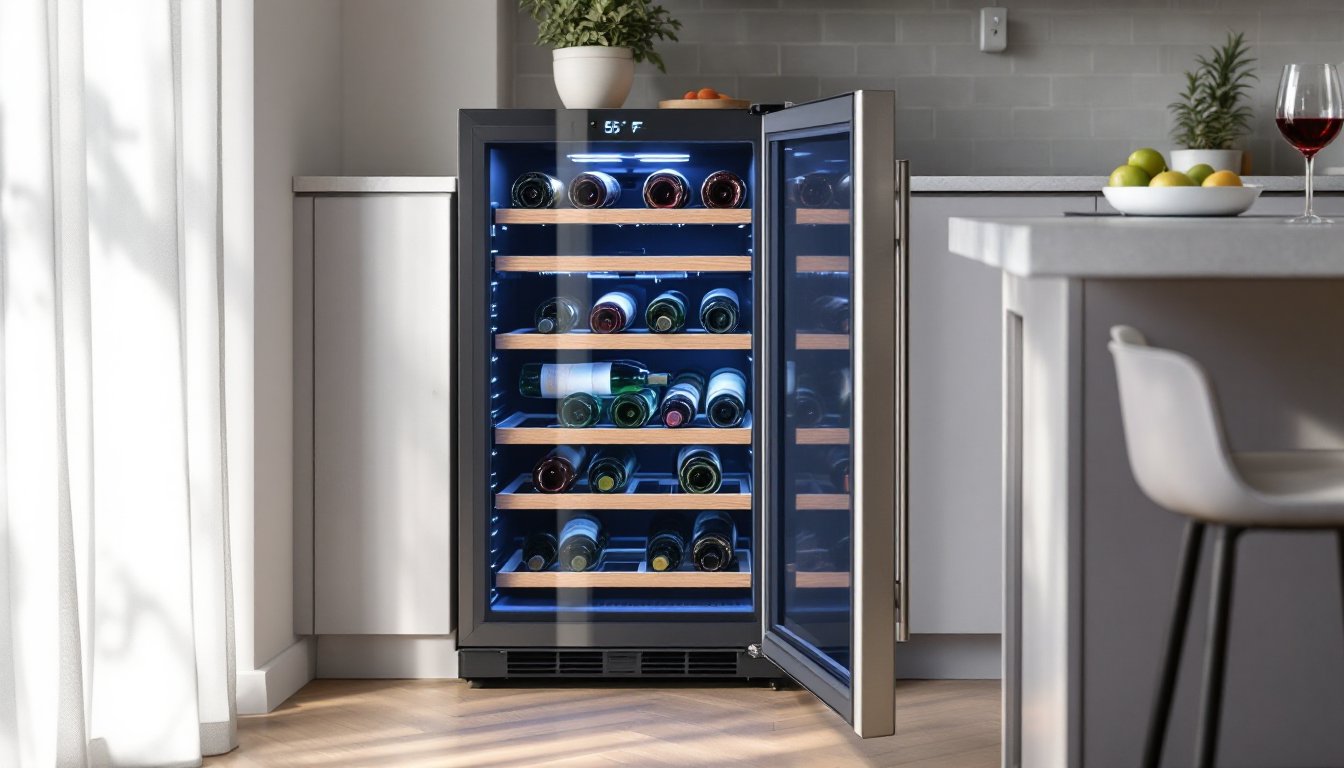

A wine cooler refrigerator isn’t just for collectors with climate-controlled cellars and extensive vintages. It’s a practical appliance for anyone who wants to preserve wine quality and avoid pouring a $30 bottle that tastes like vinegar because it sat next to last week’s takeout at 38°F. Regular refrigerators run too cold for most wines and fluctuate too much, while room-temperature storage in modern homes, often 72°F or warmer, accelerates aging and ruins delicate flavor profiles. A dedicated wine cooler maintains stable temperatures, proper humidity, and UV protection, giving wines the controlled environment they need to stay drinkable or age gracefully.
Key Takeaways
- A wine cooler refrigerator maintains stable temperatures between 45–65°F and proper humidity levels to preserve wine quality and prevent premature aging, unlike standard refrigerators that cool too cold and fluctuate too much.
- Temperature stability is critical: wines stored at constant temperatures develop complexity and intended flavor profiles, while fluctuating conditions cause oxidation and off-flavors that ruin the drinking experience.
- Choose between thermoelectric coolers (quieter, less vibration) and compressor-based systems (more powerful cooling) based on your ambient environment and capacity needs.
- Dual-zone wine coolers allow separate storage of reds at 55–65°F and whites at 45–50°F, making them ideal for collectors with mixed collections despite higher costs.
- Freestanding units offer flexibility and easy installation, while built-in wine coolers integrate seamlessly into kitchen designs—select based on your space, use frequency, and whether you’re storing casual bottles or aging investments.
- Verify thermoelectric coolers work well only in climate-controlled spaces above 50°F and below 80°F ambient temperature; compressor models are necessary for garages, basements, or variable climates.
What Is a Wine Cooler Refrigerator and Why Do You Need One?
A wine cooler refrigerator (also called a wine fridge or wine cellar fridge) is a temperature-controlled appliance designed specifically to store wine at optimal conditions, typically between 45°F and 65°F, depending on the wine type. Unlike standard refrigerators that cool to around 35–38°F and create dry air, wine coolers regulate both temperature and humidity (usually 50–70% RH) to keep corks from drying out and labels from peeling.
Most models use thermoelectric cooling or compressor-based systems. Thermoelectric units run quieter and produce less vibration, which matters because constant movement can disturb sediment and disrupt aging. Compressor models cool more powerfully and handle larger capacities or warmer ambient environments, but they vibrate slightly and draw more energy.
Why bother? Temperature stability. A wine stored at a constant 55°F will develop complexity over years. The same bottle bouncing between 40°F and 75°F every week oxidizes faster, develops off-flavors, and loses the characteristics the winemaker intended. If someone drinks more than the occasional glass and wants wines to taste as intended, not cooked or muted, a wine cooler refrigerator is the most reliable solution short of building a basement wine cellar.
Key Features to Look for in a Wine Cooler Refrigerator
Not all wine coolers are created equal. The difference between a unit that protects an investment and one that becomes an expensive decorative box comes down to a few critical specs.
Temperature Zones and Climate Control
Single-zone coolers maintain one temperature throughout the cabinet, ideal for someone storing only reds or only whites, or using the space for short-term storage before serving. They’re simpler, often less expensive, and easier to control.
Dual-zone (or multi-zone) models divide the interior into separate compartments, each with independent thermostats. This allows storing reds at 55–65°F in one zone and whites or sparkling wines at 45–50°F in another. Dual-zone units cost more and require more careful placement, front zones tend to be cooler, rear zones warmer, but they’re versatile for mixed collections.
Look for digital temperature controls with LED displays rather than mechanical dials. Precision matters: a swing of just 5°F can affect aging and flavor. Models with temperature memory that restore settings after power outages are a bonus.
UV-resistant glass doors are non-negotiable if the unit sits in a room with natural or strong artificial light. UV exposure breaks down tannins and causes premature aging, known as “light strike.” Tinted or double-paned glass blocks harmful rays without sacrificing visibility.
Capacity and Bottle Configuration
Bottle capacity is usually listed by standard 750 mL Bordeaux bottles. If someone collects wider Burgundy, Champagne, or Pinot Noir bottles, actual capacity drops, sometimes by 20–30%. Check the shelf dimensions and whether racks are adjustable or removable.
Sliding wood or metal racks make it easier to access bottles without disturbing others. Fixed wire racks are cheaper but less stable. Label-forward racking (also called display racking) lets bottles tilt slightly so labels face out, useful for quick identification but less space-efficient.
Capacity ranges from 6-bottle countertop units to 200+ bottle built-in models. A realistic starting point for casual drinkers is 18–32 bottles: collectors or entertainers often need 50+ bottles. Measure interior clearance if planning to store larger-format bottles (magnums, etc.).
Types of Wine Cooler Refrigerators: Which One Is Right for You?
Wine coolers come in a few form factors, and the right one depends on available space, installation complexity, and whether the unit needs to match existing cabinetry.
Freestanding wine coolers are the easiest option. They sit anywhere with adequate ventilation, usually 2–4 inches of clearance on sides and back for airflow. No installation required. Sizes range from compact 12-inch-wide countertop models to 24-inch and 30-inch floor-standing units that hold 50+ bottles. Most have finished sides and front-venting if placed near walls. Freestanding units work well in dining rooms, home bars, or kitchens without built-in space.
Built-in (undercounter) wine coolers install flush with cabinetry, typically in a 24-inch-wide cabinet opening (standard base cabinet width). They vent from the front, so sides and back can sit tight against walls or other cabinets. Built-ins usually have a finished front with stainless or panel-ready doors. Installation is straightforward, slide into the opening, level with adjustable feet, and plug in, but confirm cabinet dimensions match the unit’s rough opening specs. Most undercounter models hold 40–60 bottles.
Dual-zone and column models are larger built-in or freestanding configurations, sometimes paired with beverage centers or installed side-by-side for dedicated wine storage in wet bars or butler’s pantries. These often exceed 100-bottle capacity and require more planning for electrical and space.
Countertop models suit apartments or light use. They hold 6–18 bottles, don’t require installation, and cost less. Cooling performance varies: most use thermoelectric systems that struggle in hot environments (above 75–80°F ambient).
If the home already has a finished basement or a cool, dark closet, a freestanding unit is usually the best value. If integrating into a kitchen remodel or wet bar build, a built-in model offers a cleaner look and maximizes floor space.
How to Choose the Perfect Wine Cooler Refrigerator for Your Space
Start with an honest assessment of use and space. Someone who buys 6–12 bottles a month and drinks them within weeks doesn’t need a 100-bottle cellar fridge: a 24-bottle single-zone freestanding unit will do. A collector aging vintages for years needs dual-zone, compressor-based cooling and higher capacity.
Measure the installation area carefully. For freestanding units, account for door swing and ventilation clearance. For built-ins, verify the cabinet rough opening width, height, and depth, including any toe-kick recess. Standard built-in widths are 15 inches and 24 inches: heights run 32–34 inches for undercounter models.
Consider ambient temperature. Thermoelectric coolers work well in climate-controlled rooms but struggle in garages or unheated basements where temps drop below 50°F or climb above 80°F. In those conditions, opt for a compressor-based model that can pull the temperature down regardless of surroundings.
Noise level matters if the unit will sit in living spaces or open-plan kitchens. Thermoelectric models run nearly silent: compressor units hum like a standard fridge. Check the decibel rating (under 40 dB is quiet).
Energy use varies. Look for Energy Star–rated models to keep running costs low. Typical consumption is 100–200 kWh per year for smaller units, comparable to a standard refrigerator for larger models.
Check the door hinge direction before buying. Some models offer reversible doors: others are fixed. If the unit sits in a corner or next to a wall, hinge placement affects access.
Finally, read the warranty and service terms. Wine coolers are appliances, and compressors or thermostats can fail. A 1-year parts and labor warranty is standard: 3–5 years on the cooling system is better. Verify that service is available locally, importing parts for obscure brands can take weeks.
Safety and electrical notes: Wine coolers typically draw 1–3 amps and plug into standard 120V outlets. Ensure the outlet is on a dedicated circuit if running other high-draw appliances (microwaves, dishwashers) nearby. Built-in models sometimes require hard-wiring: check local electrical code (NEC Article 422 for appliances) and hire a licensed electrician if needed. Most jurisdictions don’t require permits for plug-in appliances, but built-in installations in wet bars or new construction may trigger inspection requirements, verify with the local building department.
Conclusion
A wine cooler refrigerator turns inconsistent storage into controlled preservation, whether someone’s cellaring rare vintages or just keeping weeknight bottles ready to pour. Match cooling type, capacity, and installation style to actual needs, measure the space twice, and prioritize stable temps over flashy features. The right unit quietly does its job for years, and every bottle tastes the way it should.