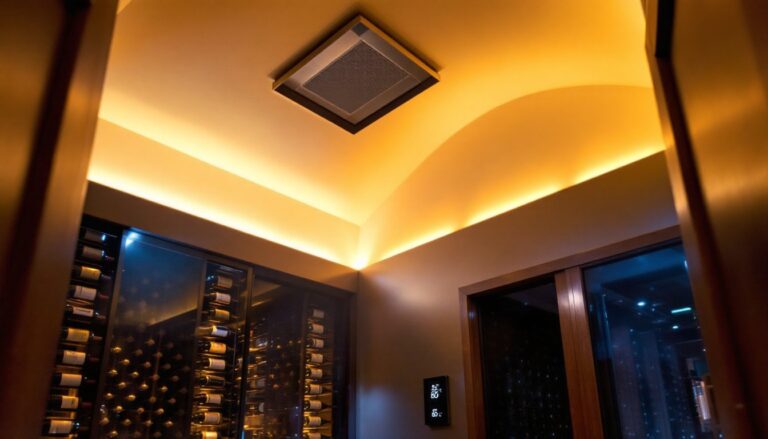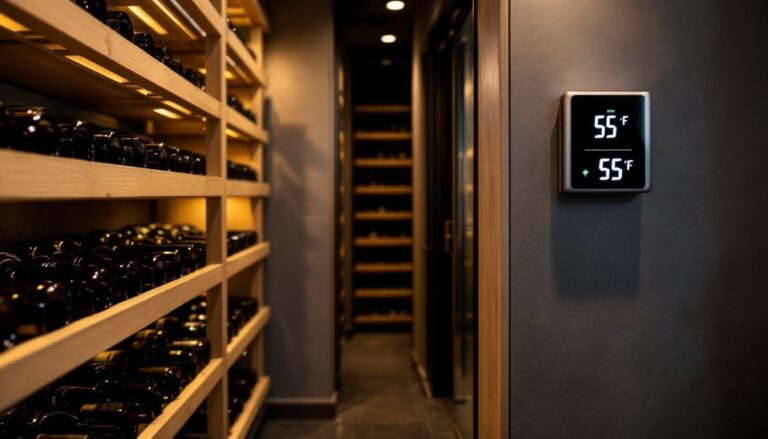
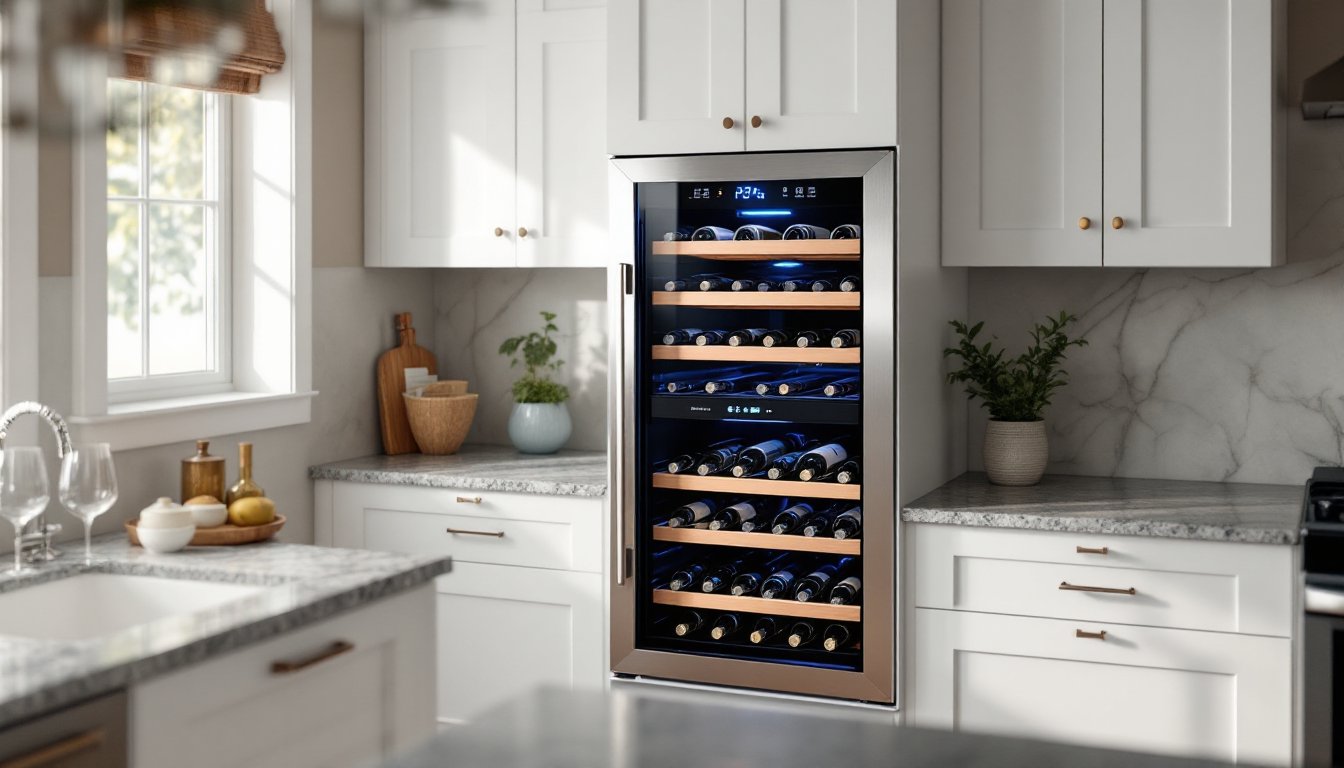

A standard kitchen fridge runs too cold and vibrates too much for proper wine storage. Over time, those temperature swings and constant compressor hum can damage corks, accelerate oxidation, and ruin the complex flavors that make a good bottle worth savoring. Whether someone’s collecting high-end Burgundies or just wants their weekly whites chilled properly, a dedicated wine refrigerator maintains the stable environment wine actually needs, typically 45°F to 65°F depending on varietal, without the frost or the racket. This guide cuts through the marketing hype to identify the best wine cooler refrigerator options for 2026, covering everything from compact countertop units to high end wine refrigerator models built for serious collectors.
Key Takeaways
- A dedicated wine refrigerator maintains stable temperatures (45°F–65°F) and protects valuable collections from temperature swings, vibration, and UV damage that standard kitchen fridges cause.
- The best wine refrigerator for your needs depends on cooling type: compressor-based models handle larger collections and hot climates, while thermoelectric units offer quiet, vibration-free operation for small collections in climate-controlled spaces.
- Top 2026 picks include the NewAir AWR-520SB (52-bottle dual zone at $550–$650), Wine Enthusiast Classic 80 (80-bottle high-end model at $900–$1,100), and hOmeLabs 18-bottle thermoelectric (budget option at $200–$250).
- Built-in wine refrigerators require front-venting systems and professional installation but offer seamless kitchen integration, while freestanding units cost less and move easily but need 2–4″ clearance on all sides to prevent overheating.
- Avoid overpacking shelves, ignoring ambient temperature, neglecting humidity control, and frequent door openings—these mistakes cause temperature instability and premature wine spoilage even with the right equipment.
Why You Need a Dedicated Wine Refrigerator
Wine is finicky. It doesn’t just need to be cold, it needs consistent temperature, controlled humidity (typically 50–70%), and protection from UV light and vibration. A regular refrigerator operates between 35°F and 38°F, far too cold for wine storage, and the frequent door openings cause temperature spikes that break down tannins and esters.
Dedicated wine refrigerators use thermoelectric or compressor-based cooling to maintain precise temperatures without the aggressive cycling of a standard fridge. They’re designed with horizontal bottle racks that keep corks moist and labels visible, and many include UV-resistant glass doors. Vibration dampening is built in, which matters, even minor shaking can disturb sediment in reds and prematurely age whites.
For anyone storing more than a handful of bottles, or investing in wines meant to age, a wine fridge isn’t luxury, it’s insurance. A $200 wine cooler can protect a collection worth thousands. And if someone’s comparing wine refrigerator reviews, they’ll notice the difference shows up fast: better flavor retention, longer shelf life, and fewer spoiled bottles.
Our Top Wine Refrigerator Picks for 2026
After reviewing dozens of wine refrigerator reviews and testing units across price points, these models stand out for reliability, features, and value.
Best Overall: NewAir AWR-520SB (52-Bottle Dual Zone)
This compressor-based unit offers dual temperature zones (one for reds, one for whites), stainless steel trim, and soft-close beechwood shelves. It holds 52 standard Bordeaux bottles and runs quieter than most compressor models thanks to upgraded insulation. Dimensions: 23.4″ W × 23″ D × 34.6″ H. Fits under most counters if vented properly. Approximate cost: $550–$650 depending on finish.
Best Budget: hOmeLabs 18-Bottle Thermoelectric
Perfect for apartment dwellers or casual collectors. Thermoelectric cooling means near-silent operation and no compressor vibration. Single zone, adjustable 54°F–66°F. Holds 18 bottles in a compact 17.7″ W × 20.5″ D × 27.2″ H footprint. Runs around $200–$250. Trade-off: less cooling power in hot ambient temps (above 80°F).
Best High-End: Wine Enthusiast Classic 80 (Dual Zone)
A serious collector’s choice. 80-bottle capacity, dual zones with digital controls, full-extension glide-out shelves, and commercial-grade compressor. Built-in capable with zero-clearance hinge. Pulls 150W at peak. Expect to spend $900–$1,100. This high end wine refrigerator model includes a five-year compressor warranty, which is rare at this price point.
Best Built-In: Kalamera 24″ Dual Zone (46-Bottle)
Designed for seamless kitchen integration. Front-venting compressor allows true built-in installation. Reversible door, soft blue LED lighting, and low-E glass. 46-bottle capacity in a standard 24″ wide cabinet opening. Around $700–$850. Requires 1/4″ clearance on sides and pro installation if hardwiring.
All these models appear consistently in best wine cooler refrigerator roundups, and for good reason, they balance features, build quality, and realistic pricing.
Key Features to Consider When Choosing a Wine Fridge
Not all wine refrigerators are built the same. Here’s what matters when comparing models.
Cooling System
- Compressor-based: More powerful, handles higher ambient temps, better for larger collections. Runs louder and produces slight vibration, though quality models minimize this.
- Thermoelectric: Whisper-quiet, vibration-free, energy-efficient. Best for small collections in climate-controlled rooms. Struggles in garages or hot climates.
Door Material
Look for UV-resistant tempered glass or solid stainless. UV exposure degrades wine over time. Some models add a tinted or double-pane glass layer.
Shelving
Beechwood or coated metal racks are standard. Full-extension glide-out shelves make accessing back bottles easier but reduce total capacity. Some models offer removable or adjustable racks to fit larger format bottles (magnums, Champagne).
Energy Consumption
Check the wattage and estimated annual kWh. Thermoelectric units typically use 80–150W: compressors range from 120–200W. Over a year, that’s roughly $25–$60 in electricity depending on local rates.
Noise Level
Compressor models produce 35–45 dB (about as loud as a whisper to a quiet library). Thermoelectric units run under 25 dB. If placing in a living area or open kitchen, quieter is better.
Temperature Zones and Capacity
Single-zone fridges maintain one temperature, fine if storing only reds or only whites. Dual-zone models split into two independently controlled compartments, ideal for mixed collections. Reds do best around 55°F–65°F: whites and sparkling prefer 45°F–55°F.
Capacity is measured in standard 750ml Bordeaux bottles. Actual capacity drops if storing wider Burgundy, Pinot, or Champagne bottles. A “50-bottle” unit may hold only 35–40 mixed-format bottles. Always check interior dimensions and shelf spacing.
If someone’s serious about storage, calculate for 10–20% overhead, wine collections grow faster than expected.
Built-In vs. Freestanding Wine Refrigerators
Understanding the difference here prevents costly mistakes.
Freestanding Units
These vent from the rear or sides and need clearance (typically 2–4″ on all sides) for airflow. Jamming a freestanding fridge into a cabinet cutout will cause overheating, compressor failure, and voided warranties. They’re designed to sit anywhere with adequate space: countertop, pantry, basement bar.
Pros: Lower cost, easier to move, no installation required.
Cons: Can’t integrate into cabinetry without modification.
Built-In (Undercounter) Units
These use front-venting systems, exhausting heat through the toe kick or grille. They’re designed to drop into a 24″ or 15″ cabinet opening with minimal side clearance (often 1/4″ is enough). Most include a finished front, flush-mount door, and zero-clearance hinges.
Pros: Seamless kitchen integration, professional appearance, stable installation.
Cons: Higher upfront cost ($600–$1,500+), often requires pro installation, less portable.
Installation Notes
Built-in models may need a dedicated 15A circuit if hardwired. Check local code, some jurisdictions classify undercounter appliances as fixed equipment requiring permits. If installing in new cabinetry, confirm the interior height clears the unit (usually 32″–34″ for a standard undercounter wine fridge).
Don’t force a freestanding unit into a built-in space. It’s a fast track to a dead compressor and a few hundred dollars wasted.
Common Wine Storage Mistakes to Avoid
Even with the right equipment, poor setup kills wine.
Overpacking Shelves
Cramming bottles in reduces airflow and blocks cooling. Leave space between bottles, 1/2″ minimum, especially in thermoelectric units that rely on convection.
Ignoring Ambient Temperature
A wine fridge in a 120°F garage will struggle or fail. Most units are rated for ambient temps of 50°F–80°F. If placing in a garage or uninsulated basement, choose a compressor model and add a thermal blanket or enclosure during extreme weather.
Skipping Humidity Control
Low humidity dries corks, leading to oxidation. Some high-end models include humidity trays: if yours doesn’t, place a shallow dish of distilled water on the bottom shelf. Check monthly.
Storing Bottles Upright
Wine bottles with natural corks must be stored horizontally to keep corks moist. Screw-cap bottles can stand upright, but horizontal storage maximizes space.
Frequent Door Opening
Every time the door opens, temperature spikes. If accessing daily drinkers often, consider a separate small fridge for short-term storage and keep the wine fridge for aging bottles.
Neglecting Maintenance
Dust the condenser coils (rear or bottom) every 3–6 months. Clean door seals with mild soap to maintain an airtight fit. Replace any torn or cracked gaskets immediately, air leaks destroy temperature stability.
Conclusion
Choosing the best wine refrigerator comes down to matching capacity, cooling type, and installation style to the collection and space. A 20-bottle thermoelectric unit works perfectly for an apartment wine enthusiast: a dual-zone, 80-bottle built-in handles a serious collector’s needs. Either way, proper installation, realistic capacity planning, and consistent maintenance make the difference between wine that ages gracefully and bottles that turn to vinegar. Measure the space, check the ambient temp, pick the cooling system that fits, and the wine fridge will do the rest.