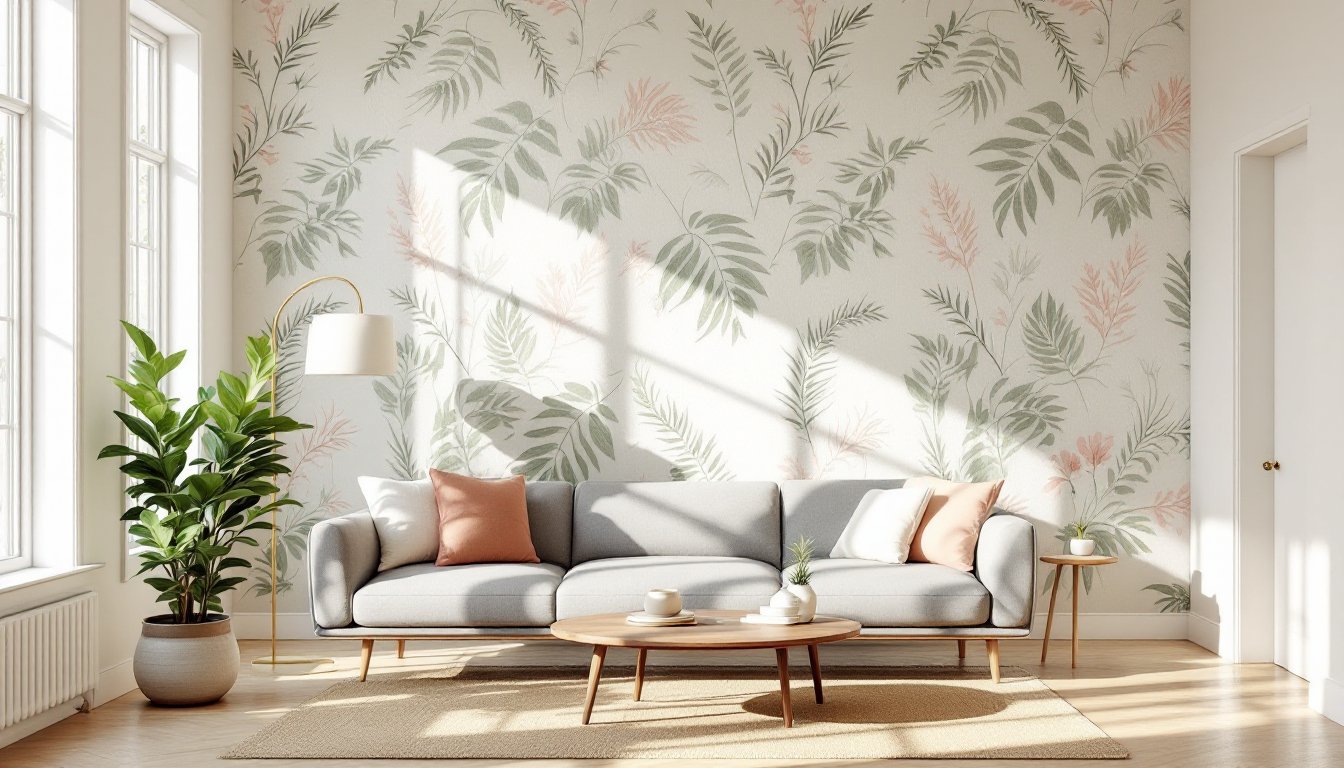

Wallpaper has shed its outdated reputation and returned as a design powerhouse, offering homeowners a faster, more impactful alternative to paint. Unlike a simple color change, wallpaper brings pattern, texture, and personality into a living room, often in just a weekend. Modern options include peel-and-stick formats that eliminate the mess of paste and the permanence that once made DIYers hesitate. With advances in materials, printing, and installation methods, wallpaper now competes on cost, durability, and ease of use, making it a practical choice for renters and homeowners alike.
Key Takeaways
- Modern living room wallpaper ideas now include peel-and-stick formats and improved traditional options that make installation faster and less damaging than ever before.
- Wallpaper delivers more visual impact per dollar than paint—patterns, texture, and personality in a single roll outperform cost-effective paint applications.
- Bold statement walls using large-scale florals, damask prints, or mural-style wallpapers create focal points without overwhelming the entire room.
- Nature-inspired botanical designs and subtle wood-grain textures tap into biophilic design principles to create calming, sophisticated living room atmospheres.
- Geometric and abstract prints work best in contemporary spaces with proper pattern matching calculations, while textured wallpapers hide wall imperfections and add dimensional depth.
- Choose color palettes based on room size and lighting—light neutrals expand smaller spaces, while deep tones create intimacy in larger rooms with ample natural light.
Why Wallpaper Is Making a Comeback in Modern Living Rooms
The resurgence isn’t just aesthetic, it’s practical. Peel-and-stick wallpaper (also called removable or temporary wallpaper) transformed the market by letting renters and commitment-phobes experiment without damaging walls. Traditional paste-the-wall and pre-pasted options have also improved, with better adhesives, washable vinyl coatings, and fade-resistant inks.
Installation has become more forgiving. Many modern wallpapers allow repositioning during application, unlike older papers that stuck instantly and trapped air bubbles. This makes it feasible for a solo DIYer to tackle a feature wall in an afternoon, especially with non-woven wallpaper, which doesn’t expand or contract when wet.
Cost comparisons favor wallpaper for high-impact results. A gallon of quality paint covers roughly 350–400 square feet and costs $30–$60, but delivers only color. A single roll of wallpaper (covering about 28–30 square feet, depending on pattern repeat) runs $25–$80 but adds pattern, texture, and visual interest that would require stenciling, murals, or multiple paint techniques to replicate.
Durability matters in high-traffic living rooms. Vinyl-coated and non-woven wallpapers resist scuffs, moisture, and fading better than flat paint, making them practical for homes with kids or pets. Washable varieties tolerate gentle cleaning with a damp sponge, extending their lifespan well beyond a typical paint refresh cycle.
Bold Patterns and Statement Walls
A statement wall, one accent wall papered while the rest stay painted, lets homeowners test bold designs without overwhelming the room. This approach works especially well behind a sofa, fireplace, or TV, drawing the eye to a focal point.
Large-scale florals dominate 2026 design trends, with oversized blooms in jewel tones or muted pastels. These patterns add drama without busy repetition: the scale keeps the eye moving rather than fixating on small, repetitive motifs. They pair well with neutral furniture and minimal decor.
Damask and traditional prints have returned in updated colorways, think charcoal and blush instead of gold and burgundy. These work in transitional spaces where classic architecture meets modern furnishings. The key is choosing a single statement wall: papering all four walls in a heavy damask can feel dated or claustrophobic.
Mural-style wallpapers blur the line between wallpaper and art. Scenic designs, forests, cityscapes, abstract watercolors, turn a wall into a conversation piece. These are sold in panels sized to specific wall dimensions, so accurate measurement is critical. Expect to pay $200–$600 for a full mural depending on size and printing quality.
Installation tip: Start from the center of the wall and work outward when hanging symmetrical patterns or murals. This keeps the design balanced, especially if the wall width doesn’t divide evenly into the paper’s width.
Nature-Inspired Designs for a Calming Atmosphere
Botanical and organic motifs tap into biophilic design, the principle that natural elements reduce stress and improve well-being. Living rooms benefit from this calming influence, particularly in homes lacking outdoor views or natural light.
Palm leaves, ferns, and tropical foliage offer a resort-like vibe without literal jungle prints. Designs in muted greens, soft grays, or even monochrome line drawings feel sophisticated rather than thematic. These pair well with natural wood tones, linen upholstery, and woven textures.
Subtle wood grain or stone wallpapers mimic materials like shiplap, reclaimed barnwood, or marble without the cost or structural work. Textured vinyl versions add dimensional realism, and they’re far easier to install than actual wood planking. They work in modern farmhouse, Scandinavian, or minimalist spaces where authenticity isn’t the goal, just the aesthetic.
Watercolor landscapes and abstract nature scenes provide color and movement without hard edges. Soft washes of blue, green, or earth tones create a serene backdrop that doesn’t compete with furniture or art. These designs suit open-concept living areas where the wallpaper needs to complement adjacent spaces.
Practical note: In rooms with high humidity (near patio doors, above radiators), choose vinyl or non-woven substrates over paper-backed options. Paper can absorb moisture and peel or bubble over time.
Textured Wallpaper for Added Depth and Dimension
Texture does double duty: it hides minor wall imperfections and adds tactile interest that flat paint can’t match. This makes textured wallpaper a smart choice in older homes where walls have settled or been patched repeatedly.
Grasscloth is woven from natural fibers like jute, sisal, or arrowroot, creating subtle horizontal striations. Each panel is slightly unique, so seams are visible, this is part of the aesthetic, not a flaw. Grasscloth is delicate: it stains easily and doesn’t tolerate moisture, so skip it near wet bars or in basements. Expect to pay $80–$150 per roll and budget extra time for careful trimming and alignment.
Embossed and raised-pattern wallpapers create shadows and depth, especially under directional lighting. Designs range from subtle linen textures to deep geometrics. Vinyl embossed papers are durable and paintable, letting homeowners change color later without removing the paper, a time-saver for future updates.
Faux fabric wallpapers replicate linen, silk, or velvet using vinyl or non-woven bases. They deliver the luxe look of upholstered walls at a fraction of the cost and labor. These work well in formal living rooms or spaces aiming for a hotel-inspired feel.
Installation heads-up: Textured papers often require lining paper underneath if walls are uneven. Lining paper is a blank base layer that smooths the surface and improves adhesion. It adds a step but prevents texture from highlighting every drywall flaw.
Geometric and Abstract Prints for Contemporary Spaces
Geometric patterns bring structure and rhythm to minimalist or modern interiors. They work especially well in open-concept living rooms where a defined visual anchor prevents the space from feeling too stark.
Hexagons, chevrons, and lattice designs add movement without chaos. Monochrome versions (black on white, gray on gray) stay timeless, while metallic accents in gold or copper introduce warmth. Geometric wallpapers pair naturally with mid-century modern furniture and clean-lined sectionals.
Abstract brushstrokes and watercolor geometrics soften the rigidity of traditional geometric prints. These designs feel artistic and less formulaic, appealing to homeowners who want pattern without predictability. They suit eclectic or transitional spaces where strict style rules don’t apply.
Ombré and gradient patterns shift color vertically or horizontally, creating the illusion of height or width. A vertical gradient can make low ceilings feel taller: a horizontal fade adds breadth to narrow rooms. These are particularly effective on a single accent wall where the gradient has room to develop.
Pattern matching is critical with geometrics. Most have a straight match or drop match repeat, meaning the pattern aligns either horizontally across seams or diagonally. Check the repeat measurement (often 12–24 inches) before buying: larger repeats create more waste. Add 15–20% extra to your square footage calculation to account for pattern matching and trimming.
Choosing the Right Color Palette for Your Living Room
Color sets mood and influences how the room feels in size and light. Wallpaper amplifies this effect, so choosing the right palette matters as much as the pattern.
Light neutrals, soft grays, warm beiges, muted whites, expand space and reflect natural light, making them ideal for smaller living rooms or those with limited windows. Textured neutrals add interest without the visual weight of dark or saturated colors.
Deep, saturated tones, navy, emerald, charcoal, burgundy, create intimacy and drama. They work well in larger living rooms with ample natural light or in evening-centric spaces where ambient lighting sets the tone. Dark wallpaper shows dust and scuffs less than dark paint, a practical advantage in busy households.
Accent colors should tie to existing furnishings or architectural features. Pull a shade from throw pillows, artwork, or a rug to create cohesion. Wallpaper with multiple colors offers flexibility: a botanical print with green, cream, and coral can anchor a palette that draws from any of those hues.
Consider lighting conditions. North-facing rooms receive cooler, bluer light: warm-toned wallpaper (yellows, peaches, warm grays) counterbalances this. South-facing rooms get warm, direct light: cooler tones (blues, greens, cool grays) prevent the space from feeling too hot or intense.
Test before committing. Order samples and tape them up for a few days, observing how they look in morning, afternoon, and evening light. Peel-and-stick samples are reusable and won’t damage walls, making them a low-risk investment before ordering full rolls.
Conclusion
Wallpaper delivers transformative impact with less disruption than paint or structural changes. Whether opting for bold florals, calming botanicals, rich textures, or clean geometrics, the key is matching pattern and color to the room’s size, light, and existing style. Proper surface prep, accurate measurements, and patience during installation ensure results that last years, not months. With modern materials and installation methods, wallpaper is once again a practical, high-impact choice for DIYers ready to elevate their living space.