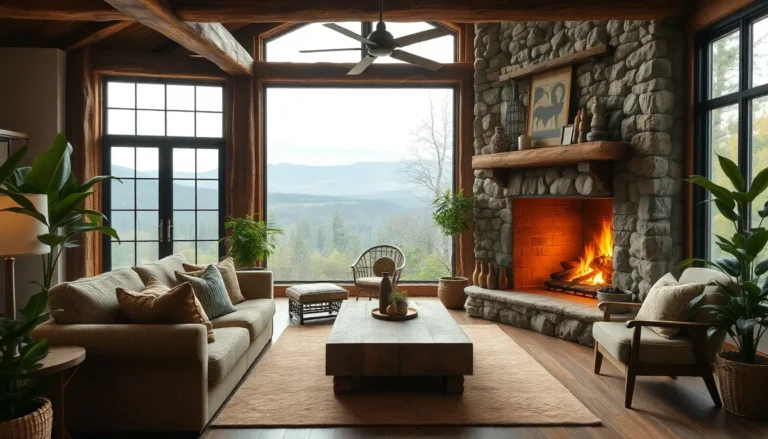


Most buyers rely entirely on online listings to narrow down their search. The problem is that standard real estate marketing is designed to sell a fantasy. It hides the gritty, hyper-local realities of daily life on those specific streets.
Choosing the right location matters significantly more than the house itself. In fact, 59% of buyers cite the quality of the neighborhood as the most important factor when choosing a home. You can always remodel a kitchen or add a bathroom, but you cannot change the physical location of your property.
The Glossy Listing vs. Daily Reality
Online real estate listings are essentially dating profiles for houses. They feature wide-angle lenses, professional staging, and glowing descriptions that gloss over any obvious drawbacks. The goal is to get you in the door, not to give you a realistic preview of your daily life.
Listings routinely omit the neighborhood realities that will impact you the most. Nobody tells you that a neighborhood’s block density is slated to change due to new city planning. They do not mention that an area highly praised for its “thriving food scene” actually has restaurants that close early and struggle to stay staffed.
You also will not read about the physical geography. A highly sought-after grid of homes might look perfectly situated on a map, but the listing will not tell you it sits at the bottom of a massive, steep hill that makes walking to the nearest park a miserable chore.
To truly understand a neighborhood, you have to look past the glossy photos and analyze how the local housing market actually behaves on a daily basis. If you want to buy a home in Wallingford, Seattle, navigating the competitive inventory requires looking closely at actual property conditions and zoning realities rather than just relying on standard real estate listings. The area features a mix of historic bungalows and newer modern townhomes, meaning buyers need to evaluate older foundations, sewer scopes, and street parking availability before making an investment. Understanding these practical details ensures you make an informed decision based on long-term property value instead of temporary market trends.
What “Walkable” and “Quiet” Actually Mean
Deceptive Walkability Scores
If you rely purely on online walkability scores, you are going to get an incomplete picture of a Seattle neighborhood. An algorithm calculating the distance from a front door to a grocery store assumes the journey takes place on a flat, even surface. Seattle is anything but flat.
You must factor in the city’s steep hills and frequent rainy weather when evaluating how accessible a neighborhood truly is. A coffee shop that sits a quarter-mile away might look like a quick stroll on your phone screen. In reality, that quarter-mile might require hiking up a 15% grade. Pushing a stroller or carrying heavy grocery bags up that incline in the middle of a November downpour completely changes the definition of “walkable.”
The distance to major parks, transit stops, and essential amenities often feels much longer than it looks on a two-dimensional map. When you tour a home, physically walk the route to the closest bus stop or local cafe. That is the only way to gauge if the terrain supports the lifestyle you want.
Lifestyle Nuances and the 9 PM Shutdown
A neighborhood’s “vibe” is not a static thing. It shifts dramatically depending on the time of day and the day of the week. Many buyers fall in love with a street during a sunny Sunday afternoon open house, only to realize the area has a completely different energy after dark.
Some of Seattle’s most notoriously charming and picturesque pockets go completely sleepy by 9 PM. If you are someone who enjoys walking to a late dinner, grabbing a nightcap, or seeing people out and about in the evening, a neighborhood that shuts down right after sunset will quickly feel isolating.
You also need to look at the types of businesses surrounding the home. Highly marketed tourist traps might look vibrant on a neighborhood brochure, but they do not serve your daily needs. Under-the-radar local businesses—like a reliable dry cleaner, a great neighborhood bakery, or a community hardware store—are what actually make daily living convenient and enjoyable.
To get a true feel for the noise levels, traffic patterns, and overall activity, you have to visit a neighborhood at different times. Drive through at 8 AM on a Tuesday, walk around at 2 PM on a Saturday, and park on the street at 9 PM on a Thursday.
Commutes, Schools, and Long-Term Value
Calculating the “Real” Tech Commute
Real estate agents love to highlight how close a property is to major employment hubs. They will happily tell you a house is just a “short drive” to South Lake Union or Redmond. What they gloss over are the terrible, daily traffic bottlenecks that define Seattle commutes.
There is a massive difference between the ideal-condition travel times you see on a map app at 10 PM and the actual door-to-door reality during rush hour. Getting across the 520 bridge or navigating the Mercer Street exit during peak tech commuting hours can easily double or triple your time in the car.
If you are commuting to Amazon, Microsoft, or any other major hub, you need to base your decision on peak traffic realities, not the best-case scenarios.
|
Route |
Listed Commute Time (Off-Peak) |
Real Peak Traffic Time |
|
Ballard to South Lake Union |
15 – 20 minutes |
40 – 55 minutes |
|
West Seattle to Downtown |
12 – 15 minutes |
35 – 50 minutes |
|
Queen Anne to Redmond |
25 – 30 minutes |
50 – 75+ minutes |
|
Capitol Hill to Bellevue |
15 – 20 minutes |
45 – 60 minutes |
School District Impacts on Resale Value
One of the most common questions buyers ask is whether they should care about local public school ratings if they do not plan on having children. The answer is an absolute yes.
Public school quality is one of the strongest drivers of long-term property value. Homes located within the boundaries of top-tier schools consistently command higher prices and retain their value much better during economic downturns.
Highly rated school districts also foster neighborhood stability. Families tend to buy homes in these areas and stay for decades to keep their kids in the same district. This reduces resident turnover, encourages community investment, and leads to better-maintained streets and local amenities.
Treating the local school district as a critical financial consideration ensures you are protecting your investment, regardless of your personal family status.
Conclusion
Finding your ideal Seattle home means looking far beyond the listing photos. True walkability, real door-to-door commute times, future zoning impacts, and accurate renovation costs are the metrics that will actually dictate your quality of life.
Choosing where to live requires rejecting sugar-coated sales pitches. You have to embrace the unfiltered realities of a neighborhood to know exactly what you are buying into.