
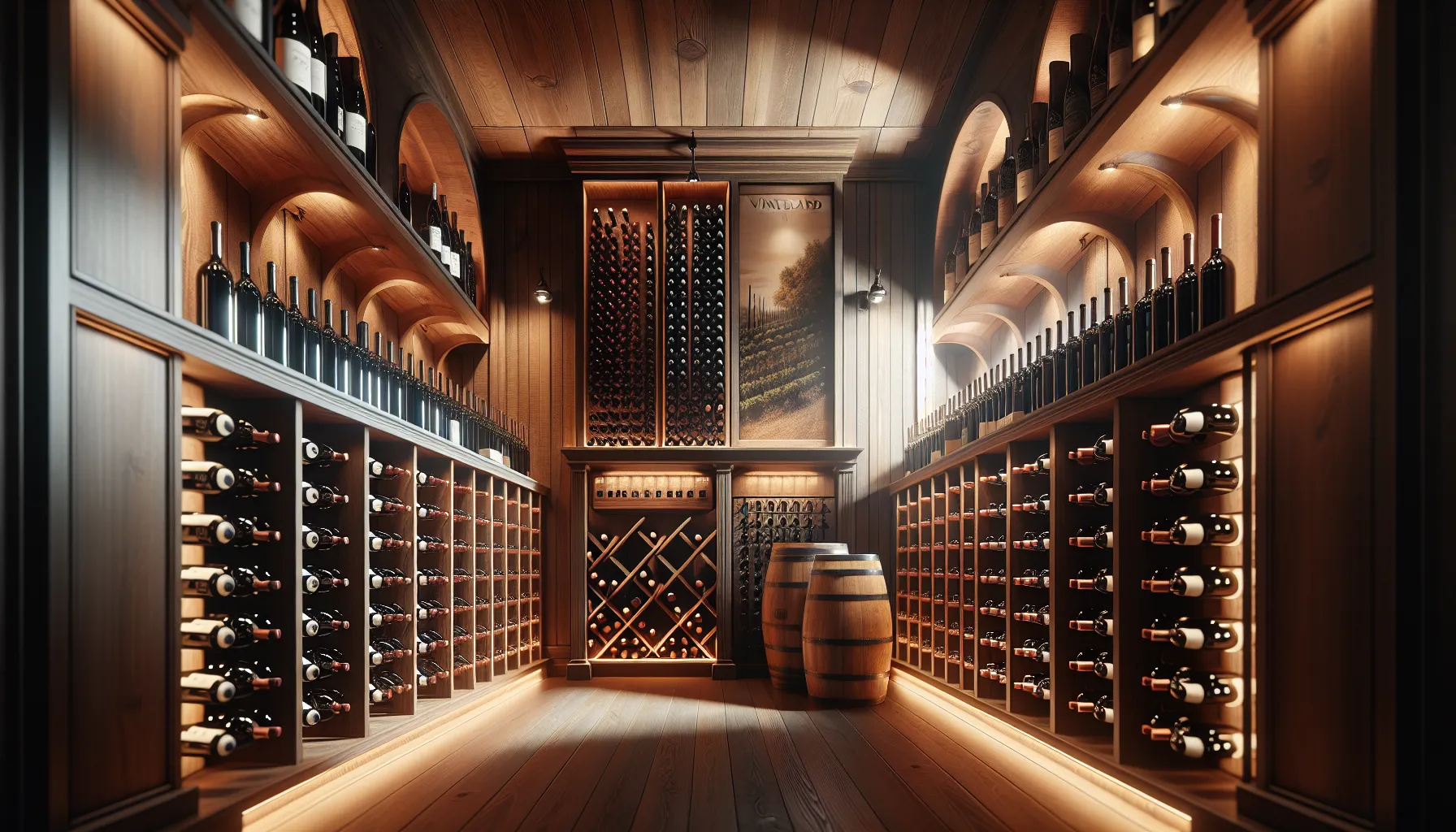

Picture this: You step into a cool, dimly lit room. The air smells faintly of oak and earth. Rows of bottles line the walls, each one holding a story, a season, a place. This is the magic of vineyard wine cellars. If you’ve ever wondered what makes these spaces so special—or how they can change the way you experience wine—you’re in the right place.
What Are Vineyard Wine Cellars?
Vineyard wine cellars aren’t just storage rooms. They’re the heart of a winery, where science meets art. Here, bottles rest in perfect conditions, waiting for their moment. The temperature stays steady, usually between 55 and 59 degrees Fahrenheit. Humidity hovers around 60 to 70 percent. Why? Because wine is alive. It breathes, ages, and evolves. A good cellar protects that process.
If you’ve ever opened a bottle that tasted flat or sour, chances are it suffered from poor storage. Vineyard wine cellars prevent that heartbreak. They give every bottle a fighting chance to reach its full potential.
Why Vineyard Wine Cellars Matter
Let’s break it down. Wine is sensitive. Heat, light, and vibration can ruin it. Vineyard wine cellars shield bottles from these threats. But there’s more. These cellars also create a sense of place. When you walk into a vineyard’s cellar, you feel the history. You see the winemaker’s choices—French oak barrels, stainless steel tanks, or even clay amphorae. Each decision shapes the wine’s flavor.
Here’s the part nobody tells you: The best bottles in the world owe their greatness to quiet years spent in a cellar. Patience is the secret ingredient.
Inside a Vineyard Wine Cellar: What to Expect
Every vineyard wine cellar has its quirks, but most share a few key features:
- Temperature control: No wild swings. Just steady, cool air.
- Humidity management: Prevents corks from drying out and letting air in.
- Low light: Sunlight fades labels and spoils wine. Cellars stay dim.
- Vibration-free: Bottles rest undisturbed, so sediment settles naturally.
- Organization: Wines are sorted by vintage, varietal, or vineyard block. Some cellars use handwritten tags; others have digital tracking.
Some cellars feel ancient, with stone walls and candlelight. Others look modern, with sleek racks and LED lights. Both can work—what matters is the care behind the scenes.
How Vineyard Wine Cellars Shape Wine
Here’s why this matters: The cellar isn’t just a parking lot for bottles. It’s an active part of the winemaking process. Red wines soften and gain complexity. Whites develop richer aromas. Sparkling wines mature on their lees, building texture. Even the smallest details—like the type of wood in the racks—can influence the final taste.
If you’ve ever tasted a wine that made you pause and smile, chances are it spent years in a vineyard wine cellar. That’s not luck. That’s intention.
Building Your Own Wine Cellar: Lessons from the Vineyards
Maybe you’re not running a vineyard, but you want to store wine at home. Good news: You can borrow tricks from the pros. Here’s what matters most:
- Find a cool, dark spot. Basements work well. Avoid kitchens and laundry rooms.
- Keep it steady. Fluctuating temperatures are the enemy. Aim for 55-59°F.
- Watch the humidity. Too dry, and corks shrink. Too damp, and you get mold. Shoot for 60-70%.
- Store bottles on their sides. This keeps corks moist and air out.
- Limit movement. Don’t shake or jostle bottles. Let them rest.
Here’s a mistake I made: I once stored a prized Pinot Noir above my fridge. It cooked in the summer heat. Lesson learned—wine hates the kitchen as much as I hate burnt toast.
Who Needs a Vineyard Wine Cellar?
If you drink wine within a week of buying it, you don’t need a fancy cellar. But if you collect bottles, age special vintages, or want to taste wine at its peak, a proper storage space is a game-changer. Vineyard wine cellars aren’t just for millionaires or wine snobs. They’re for anyone who respects the craft and wants to get the most from every bottle.
On the flip side, if you only buy wine for cooking or casual sipping, don’t stress about cellars. Focus on enjoying what you like, when you like it.
Visiting Vineyard Wine Cellars: What to Look For
Touring a vineyard wine cellar can feel like stepping into a secret world. Here’s what to watch for:
- Ask questions. How do they control temperature? How long do they age their wines?
- Notice the details. Are bottles dusty or clean? Are racks sturdy?
- Smell the air. A good cellar smells earthy, not musty or moldy.
- Look for passion. The best cellars reflect the winemaker’s care and pride.
If you’re lucky, you’ll get to taste a wine straight from the barrel. That’s a moment you won’t forget.
Common Myths About Vineyard Wine Cellars
Let’s clear up a few things:
- Myth: Only old wines need cellars. Truth: Even young wines benefit from good storage.
- Myth: You need a huge collection. Truth: Even a dozen bottles deserve care.
- Myth: All cellars are cold and damp. Truth: The best ones are cool, clean, and comfortable.
Don’t let myths stop you from exploring vineyard wine cellars. The real secret? It’s about respect—for the wine, the craft, and the people who make it.
Next Steps: Bringing the Vineyard Home
If you’ve ever dreamed of building your own collection, start small. Visit local vineyards. Ask to see their wine cellars. Taste the difference. Take notes. Over time, you’ll learn what you love—and how to care for it. Remember, every great wine has a story, and every story deserves a good home.
Vineyard wine cellars aren’t just about bottles and bricks. They’re about patience, passion, and the quiet joy of waiting for the right moment. If you’re ready to take your wine journey deeper, this is where it begins.


