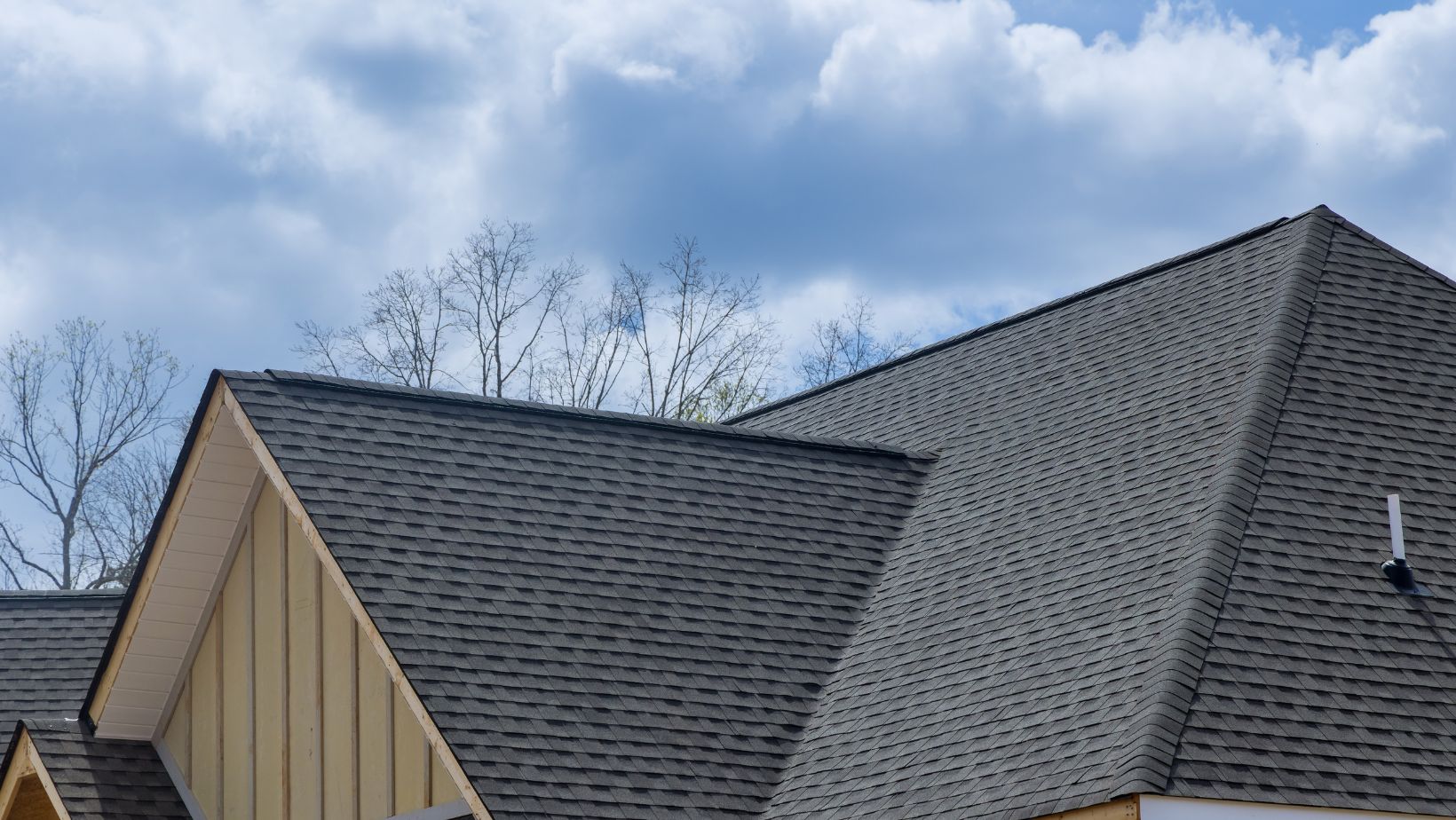

When homeowners start researching roofing services salt lake city, they are often reacting to a visible problem. A leak appears after a storm. Shingles start curling. Water stains show up on a ceiling that looked fine a week earlier. In those moments, the immediate goal is usually to stop the damage. What often gets overlooked is how much the quality of the workmanship will shape the outcome long after the repair or replacement is finished.
A roof is not just a layer of material at the top of a house. It is a system that protects the structure, supports energy performance, and influences how buyers view the property. Professional workmanship matters because roofing problems are rarely limited to one visible spot. A small error in flashing, ventilation, or installation can lead to moisture damage, rising utility costs, and avoidable repairs down the road. The real value of skilled work is not only in how a roof looks when the job is done, but in how well it performs over time.
Why Workmanship Matters More Than Many Homeowners Realize
Homeowners often compare roofing bids by price first. That is understandable, especially when the project is unexpected. Still, the lowest number on paper does not always reflect the best long term decision. Roofing work involves more than replacing shingles or covering a damaged area. It requires careful evaluation of the roof deck, drainage paths, ventilation, underlayment, and flashing details.
When workmanship is rushed or inconsistent, the roof may look acceptable from the ground while hidden weaknesses remain underneath. Water can move beneath improperly sealed areas. Ventilation issues can trap heat and moisture in the attic. Poor fastening can make materials more vulnerable during high winds. These problems do not always show up right away, which is why weak workmanship can seem fine at first and become expensive later.
Skilled installation, on the other hand, addresses the roof as a complete system. That approach helps prevent recurring leaks, extends material life, and provides homeowners with better protection against seasonal wear.
Safety Starts With the Details
Roof safety is often associated with obvious failures such as active leaks or sagging sections. In reality, safety problems usually begin with smaller issues that were either missed or handled poorly. Flashing around vents and chimneys, transitions where roof sections meet, and areas near valleys are common weak points. If these details are not installed correctly, moisture can enter the structure and affect insulation, decking, ceilings, and walls.
That creates more than a cosmetic concern. Persistent moisture can weaken structural materials and encourage mold growth in enclosed areas. Even a seemingly minor repair can create larger issues if the underlying cause is not identified. Professional workmanship reduces these risks by focusing on the source of the problem rather than only the symptom.
Safety also matters during the inspection and installation process itself. Roofing is dangerous work. Sloped surfaces, damaged materials, and changing weather conditions all increase the chance of injury. A trained crew has the equipment and experience to assess conditions safely and complete the work without creating additional hazards for the household.
Efficiency Depends on More Than Roofing Material
Many homeowners think of energy efficiency in terms of insulation, windows, or heating and cooling equipment. The roof plays a major role as well. A poorly installed roof can allow air leakage, trap excess heat, and create ventilation problems that make the home harder to heat and cool.
When workmanship is strong, roofing components work together to help maintain stable attic conditions. Proper ventilation allows hot, damp air to escape instead of building up inside the home. Correct sealing helps prevent drafts and moisture intrusion. Thoughtful installation of underlayment and flashing supports better overall performance in changing weather.
This is one reason many homeowners begin looking into roofing services salt lake city after noticing spikes in utility bills alongside visible roof wear. The issue is not always the roof’s age alone. Sometimes it is the way past work was completed. Better workmanship can improve the roof system’s efficiency and reduce strain on the rest of the home.
Repair or Replacement Needs Careful Judgment
One of the biggest decisions a homeowner faces is whether to repair or replace the roof. Skilled workmanship matters here because the right answer depends on the condition of the full system, not just the most obviously damaged section.
A targeted repair makes sense when the issue is limited, and the surrounding roof is still in good shape. Missing shingles, localized flashing damage, or a small leak can often be addressed effectively when the repair is done with care and matching materials. In these situations, precise workmanship can restore performance and prevent a modest problem from growing.
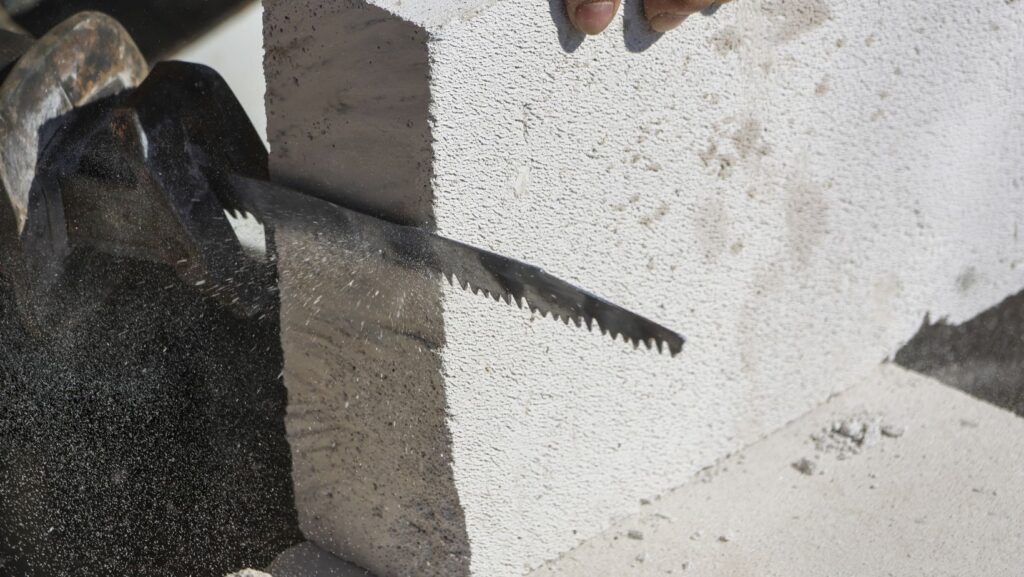
Replacement becomes the stronger option when the damage is widespread, the roof is nearing the end of its service life, or repeated repairs are no longer cost effective. A full replacement allows hidden damage to be addressed and offers the opportunity to improve ventilation and waterproofing details that patchwork repairs cannot fix. The decision should come from a careful inspection and a clear explanation, not from pressure or guesswork.
Property Value Is Shaped by the Quality of the Work
A roof influences how a property is viewed long before an inspector steps onto it. Buyers notice visible wear, uneven lines, and signs of past patching. Even when the roof is not the main feature of a house, it signals whether the home has been maintained properly.
Good workmanship strengthens property value in several ways. It improves curb appeal, reduces concerns during inspections, and gives future buyers greater confidence in the home’s condition. Documentation of professional work and clear warranty coverage can also make a difference when buyers compare properties.
Poor workmanship tends to do the opposite. It raises questions, invites closer scrutiny, and can lead to repair requests during a sale. In that sense, roofing is not only a maintenance issue. It is also part of the overall strategy for protecting the property’s value.
What Homeowners Should Look For in a Roofing Contractor
Choosing the right contractor involves more than checking whether a company can start quickly. Homeowners should look for clear estimates, strong communication, proof of insurance, and an easy-to-understand workmanship warranty. A dependable contractor should also explain why specific materials or repair methods are being recommended.
The strongest companies usually stand out through clarity rather than sales pressure. They inspect thoroughly, answer direct questions, and describe the scope of work in practical terms. That level of communication often reflects the quality of the job itself.
Conclusion
Professional workmanship affects far more than the finished appearance of a roof. It influences whether the home stays dry, whether the attic performs efficiently, and whether future repairs remain manageable. It also shapes how buyers and inspectors view the property.
For homeowners trying to make a smart roofing decision, the best investment is not simply a new material. It is qualified, careful work that protects the house as a whole. A roof should do its job quietly for years. The workmanship behind it is what makes that possible.